Why MOQ changes by structure
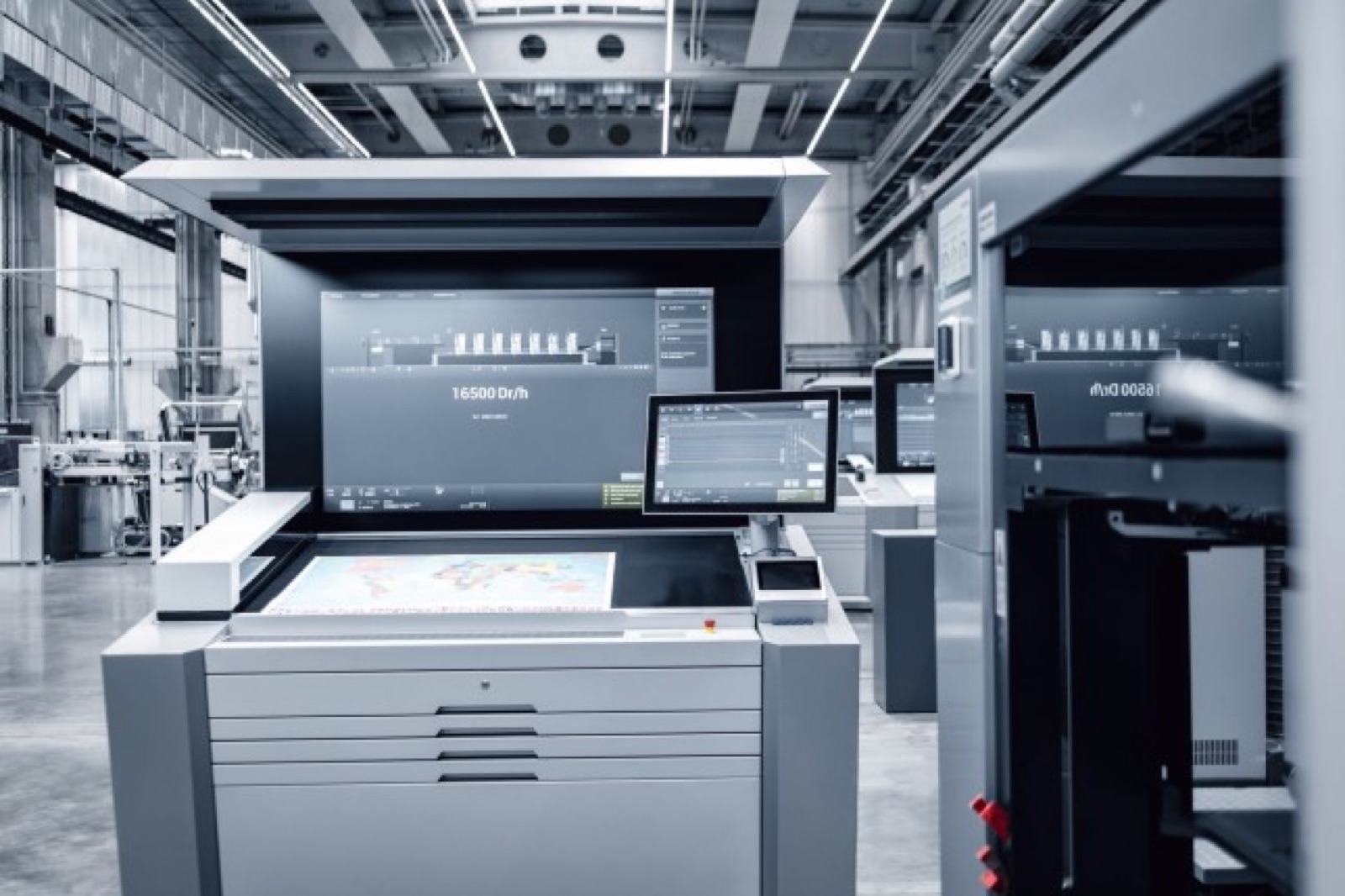
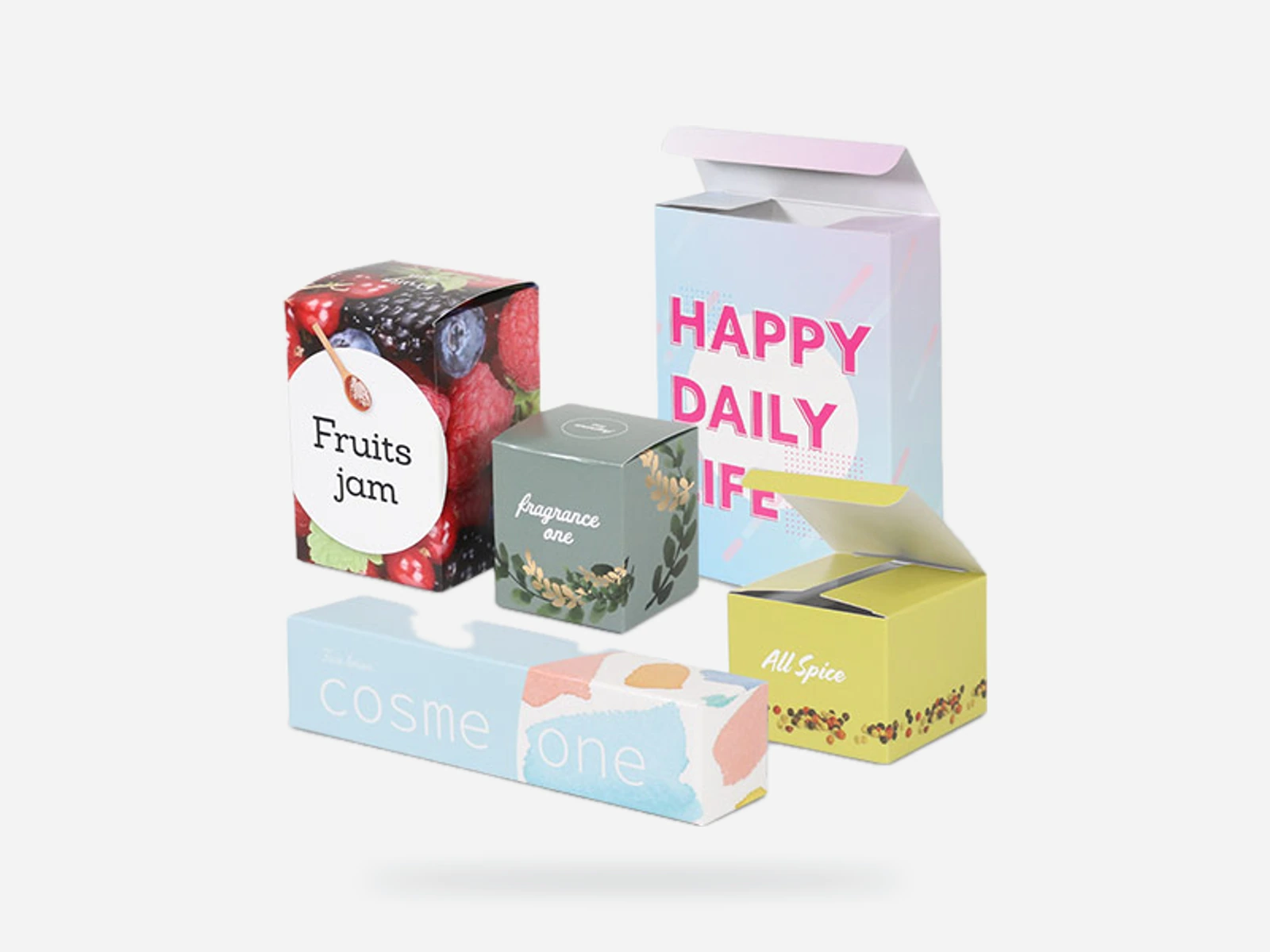
Folding cartons, rigid boxes and corrugated mailers use different equipment, tooling and manual labor. A simple folding carton normally scales differently from a hand-finished rigid presentation box.
MOQ also depends on available paper sizes, board purchasing and how many blanks fit on one production sheet.
- Structure and assembly labor
- Paper and board purchase quantities
- Number of blanks per sheet
- Tooling and machine setup
Separate fixed and variable costs
Dielines, cutting dies, plates, proofs and setup are often fixed or semi-fixed. Paper, printing, finishing, gluing and packing grow with quantity.
Ask for a quotation at two or three realistic quantity levels. This shows where setup is being spread and helps compare annual demand rather than one isolated order.
- Sampling and tooling
- Material and print run
- Finishing and assembly
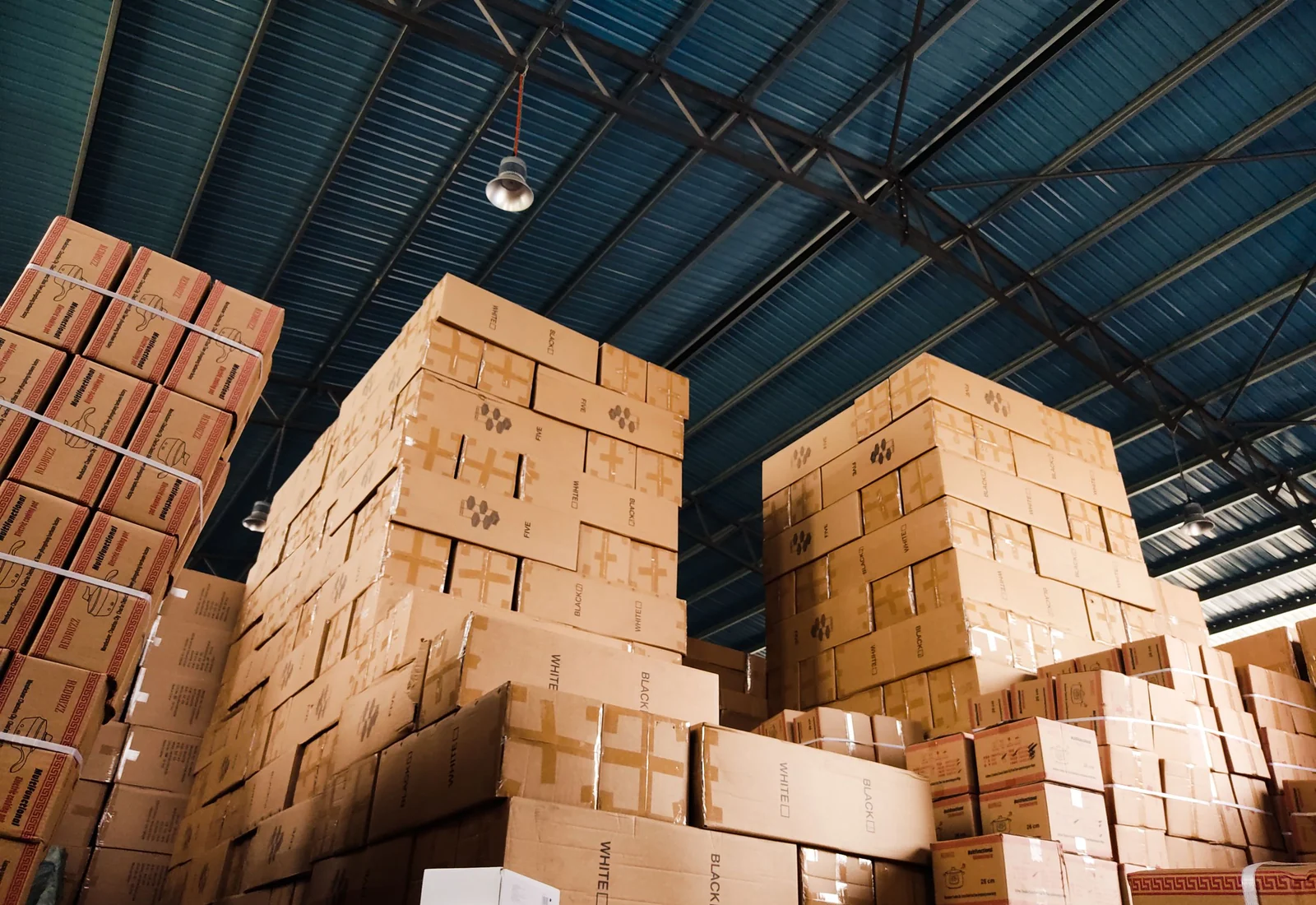
- Packing and freight
Optimize without weakening the pack
Review dimensions, print coverage, finish count and insert complexity together. A smaller box or better sheet layout may save more than switching to a board that is too weak.
Standardize common materials and finishes across several SKUs where possible, while keeping dimensions and product protection correct.
- Reduce empty volume
- Limit finishes to key visual areas
- Share components across a product family
- Order against a realistic demand forecast