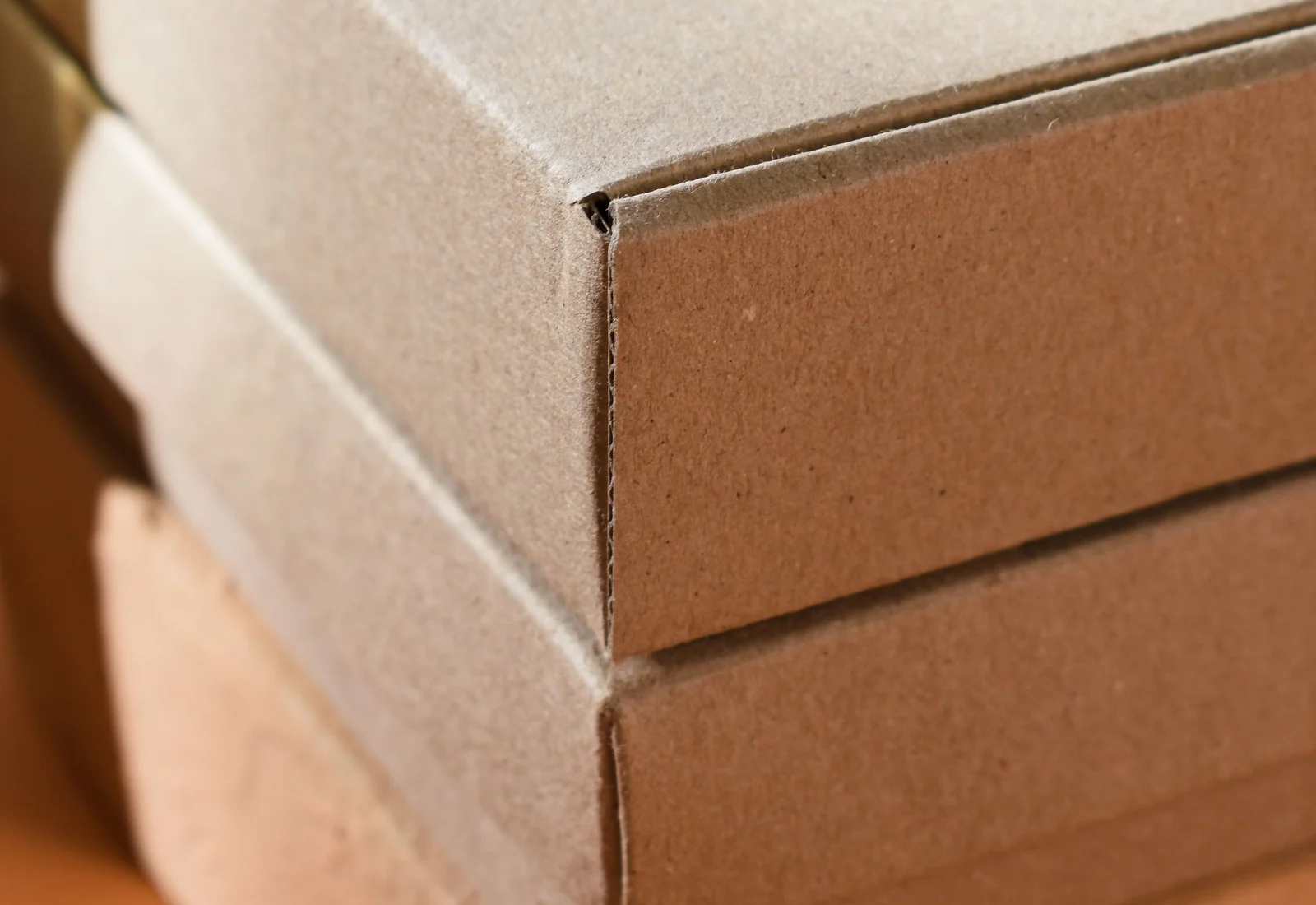
Right-size before changing material
A smaller, well-fitted carton often reduces paper, inserts, void fill and shipping volume at the same time. Review product orientation and required clearance before simply reducing board thickness.
Packaging that fails during transport creates more waste than a correctly specified structure. Strength and material reduction must therefore be tested together.
- Remove unnecessary internal space
- Use paper-based inserts where suitable
- Combine retail and shipping functions carefully
- Test the final packed product
Understand common paper choices
C1S or SBS-style paperboard supports high-quality print and folding cartons. Kraft provides a natural appearance but changes color reproduction. Recycled fiber grades can be suitable where surface and strength requirements allow.
Corrugated board adds compression strength for mailers, fruit boxes and heavier products. Flute and liner selection should follow the actual load and distribution route.
- White paperboard for clean color reproduction
- Kraft for a natural visual direction
- Recycled grades where verified and technically suitable
- Corrugated board for transport strength
Ask for evidence behind claims
Terms such as recyclable, recycled and certified are not interchangeable. Specify the required chain-of-custody document, recycled-content evidence or material declaration before ordering.
Coatings, windows, laminates, foil and adhesives may affect local recycling routes. Ask the buyer or compliance adviser which claim is acceptable in the destination market.
- State required documentation in the purchase specification
- Keep supplier declarations with the order file
- Avoid unverified certification logos
- Review destination-market labeling rules