
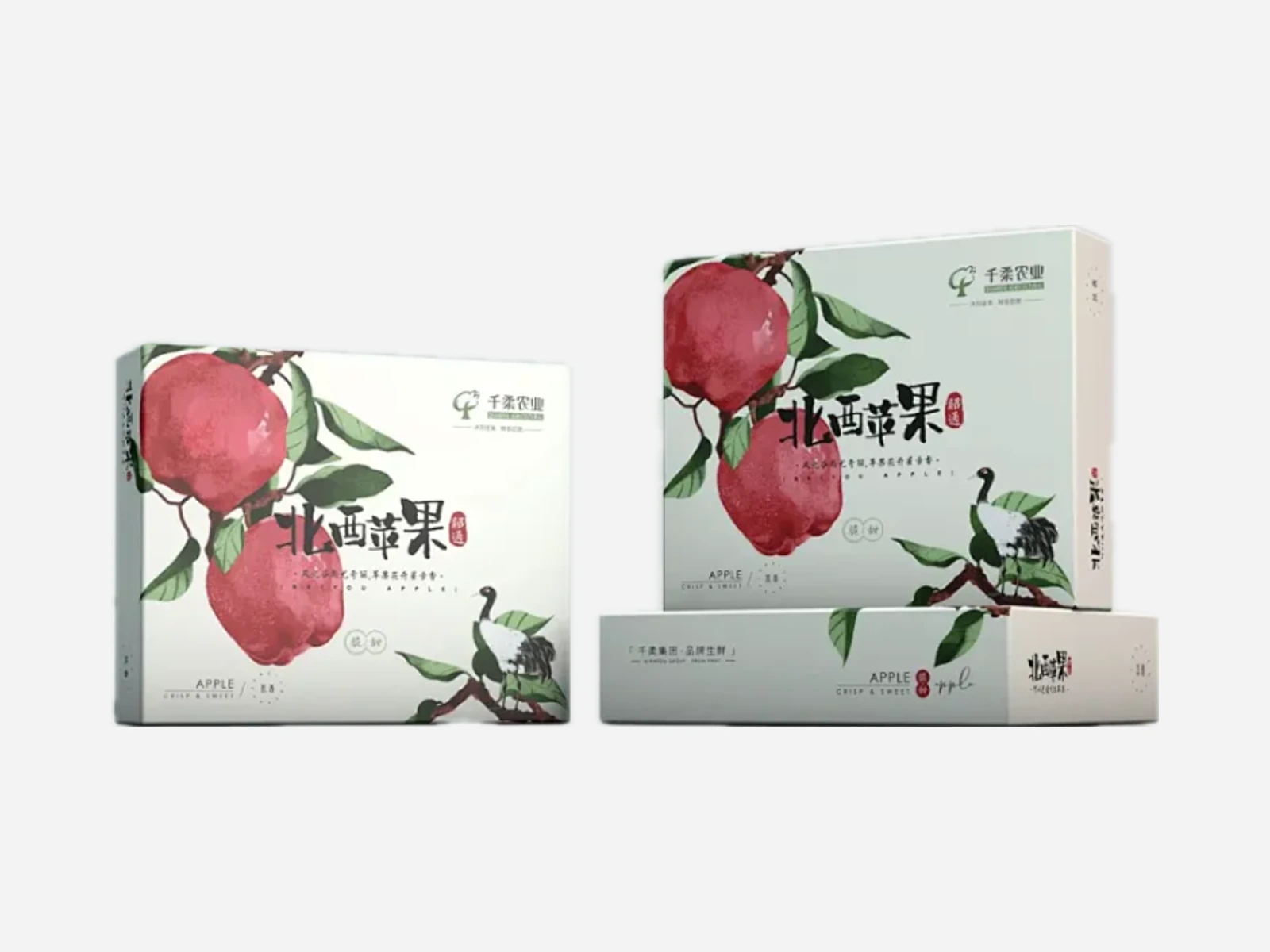
What digital proofs can confirm
Digital proofs are fast and useful for checking content, image placement, barcodes, cutting marks and general color direction. They are not always an exact simulation of offset ink, substrate and coating.
A digital printed carton can also help marketing teams review a near-finished mock-up before committing to plates and tooling.
- Artwork position and text
- General color direction
- Barcode size and information panels
- Early presentation mock-ups
Why offset output looks different
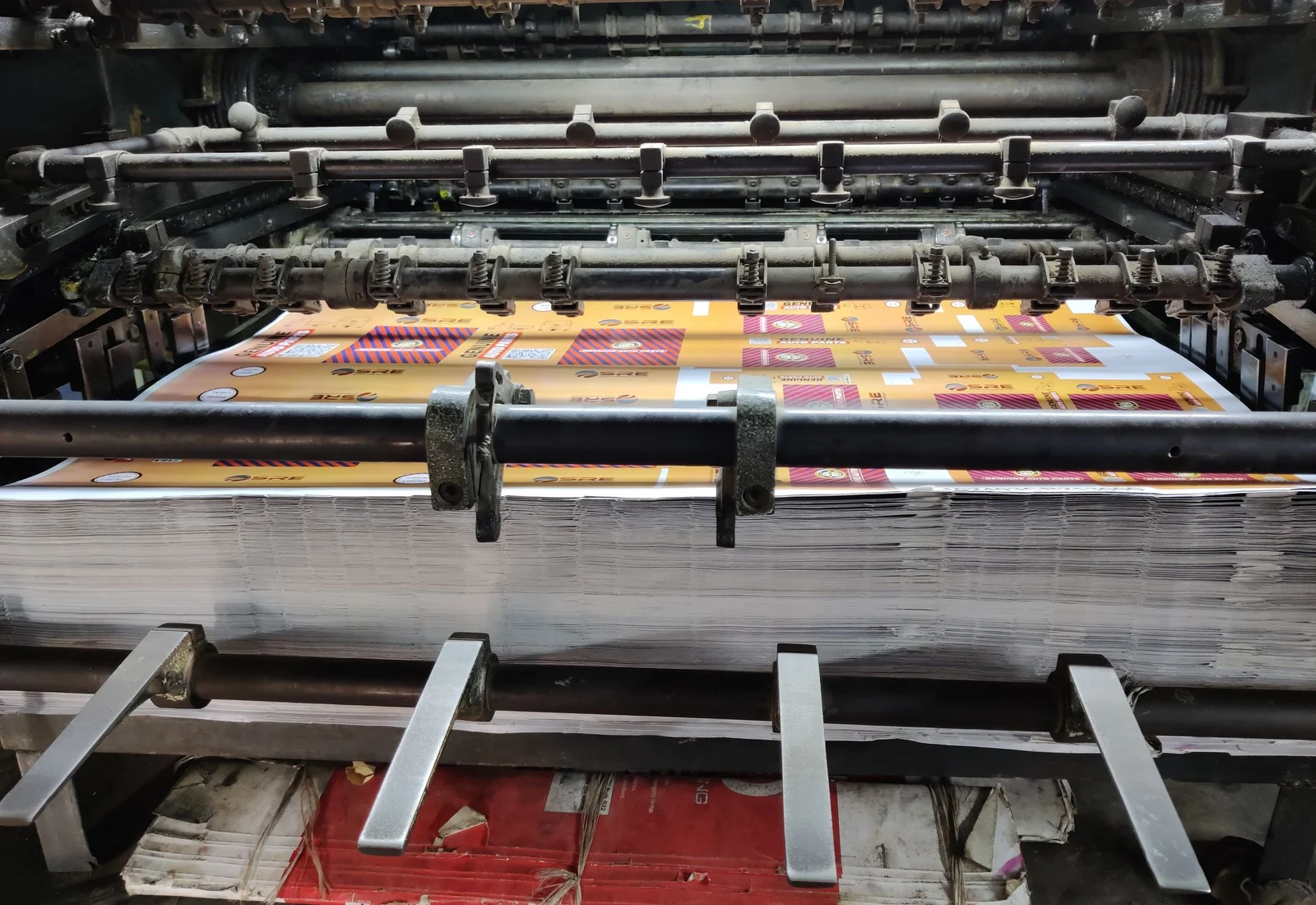
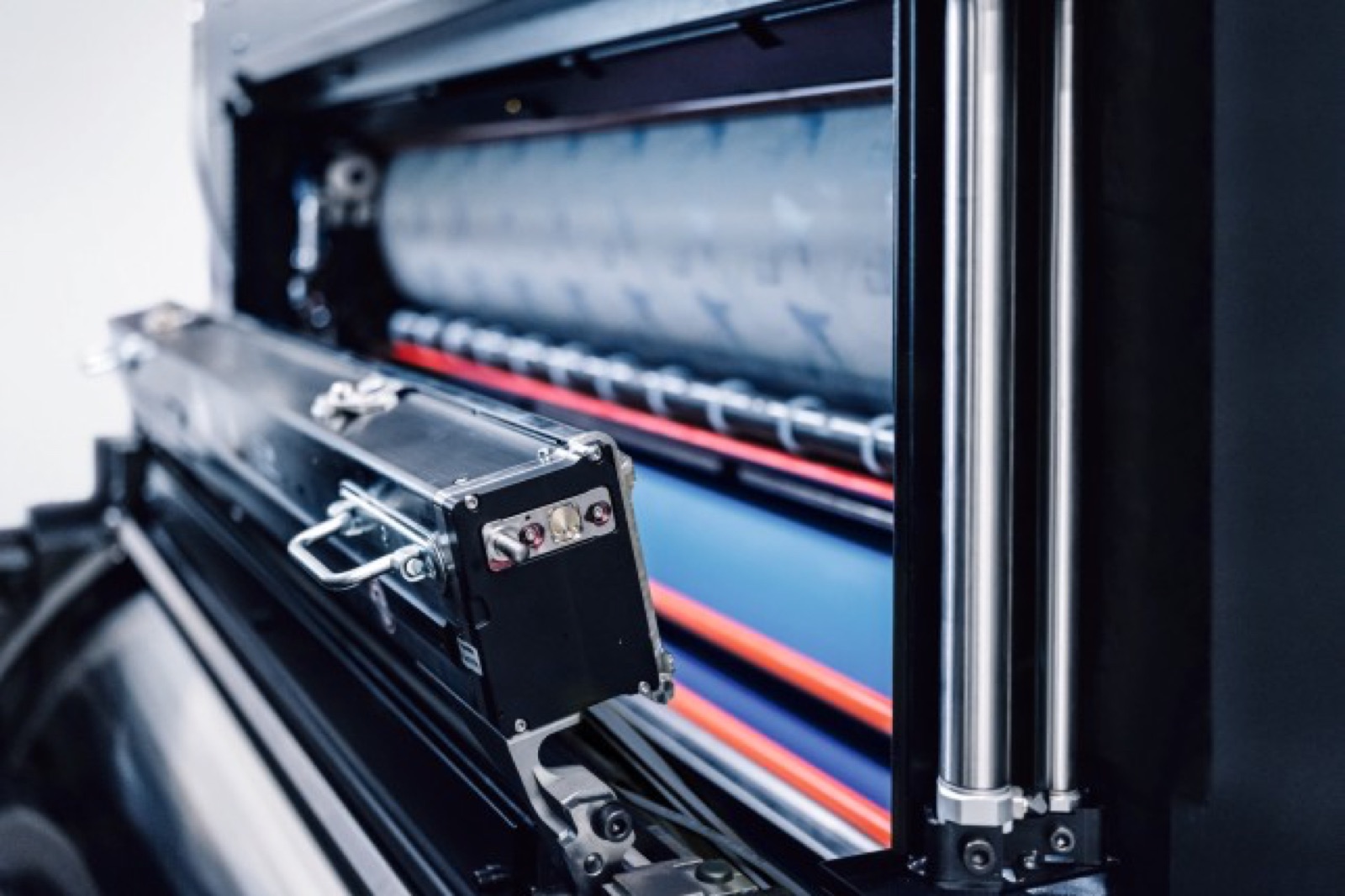
Offset production uses the selected paper, ink, press conditions and finishing route. Paper whiteness, absorbency, lamination and varnish can all change perceived color.
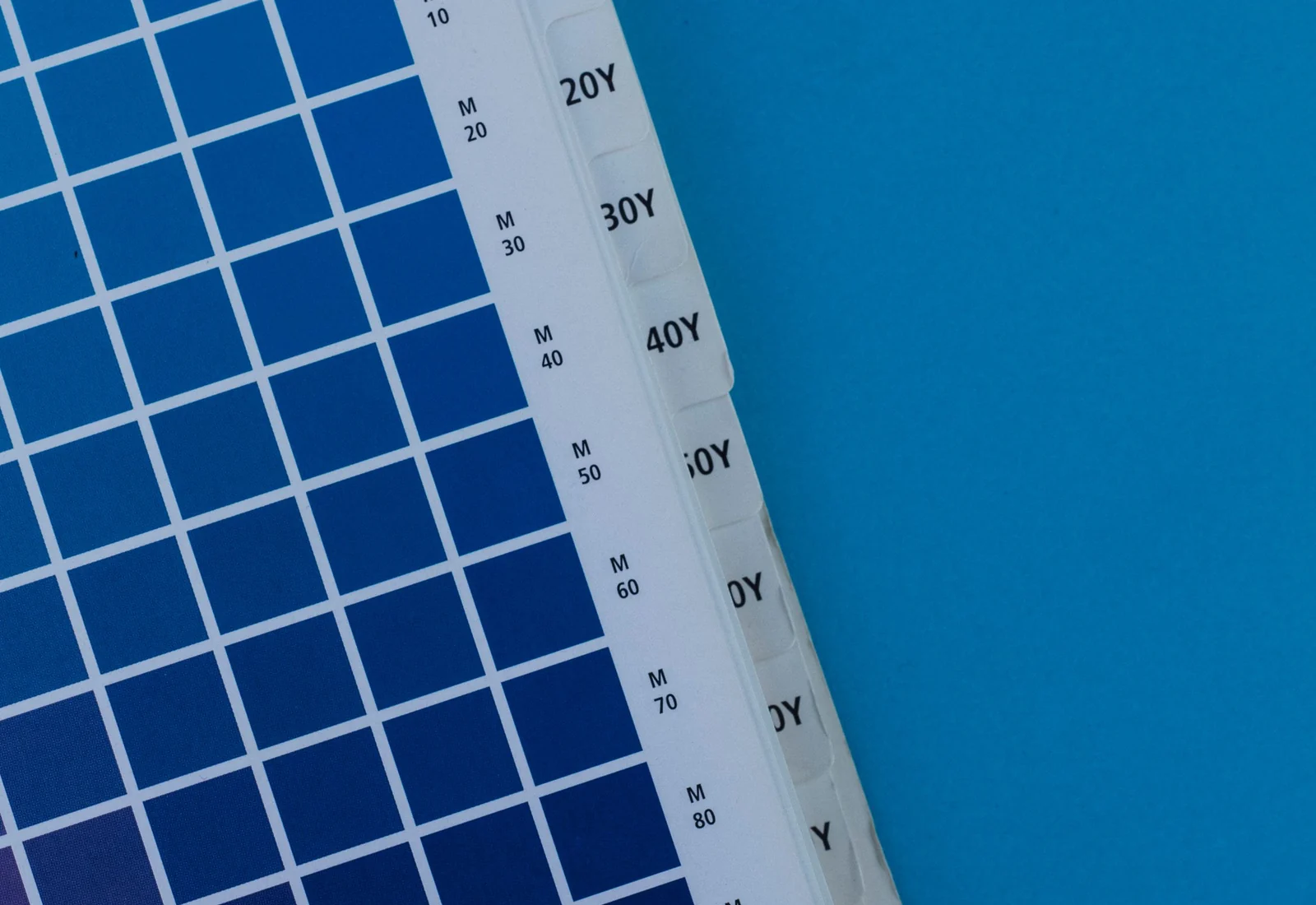
For repeat orders, the supplier needs a recorded target and measurable tolerances where color is commercially critical.
- Paper and coating influence color
- Spot colors require a defined reference
- Finishing changes gloss and density
- Production sheets should be checked during the run
Build a clear approval ladder
Start with a blank sample for structure, then approve artwork, then approve the relevant color standard. Do not use one sample to approve a requirement it was not designed to represent.
Record what is approved, the revision date and who released it. This prevents an old PDF or sample from becoming the production reference.
- Blank structural sample
- Digital artwork proof
- Color or finish proof where required
- Final approved production specification