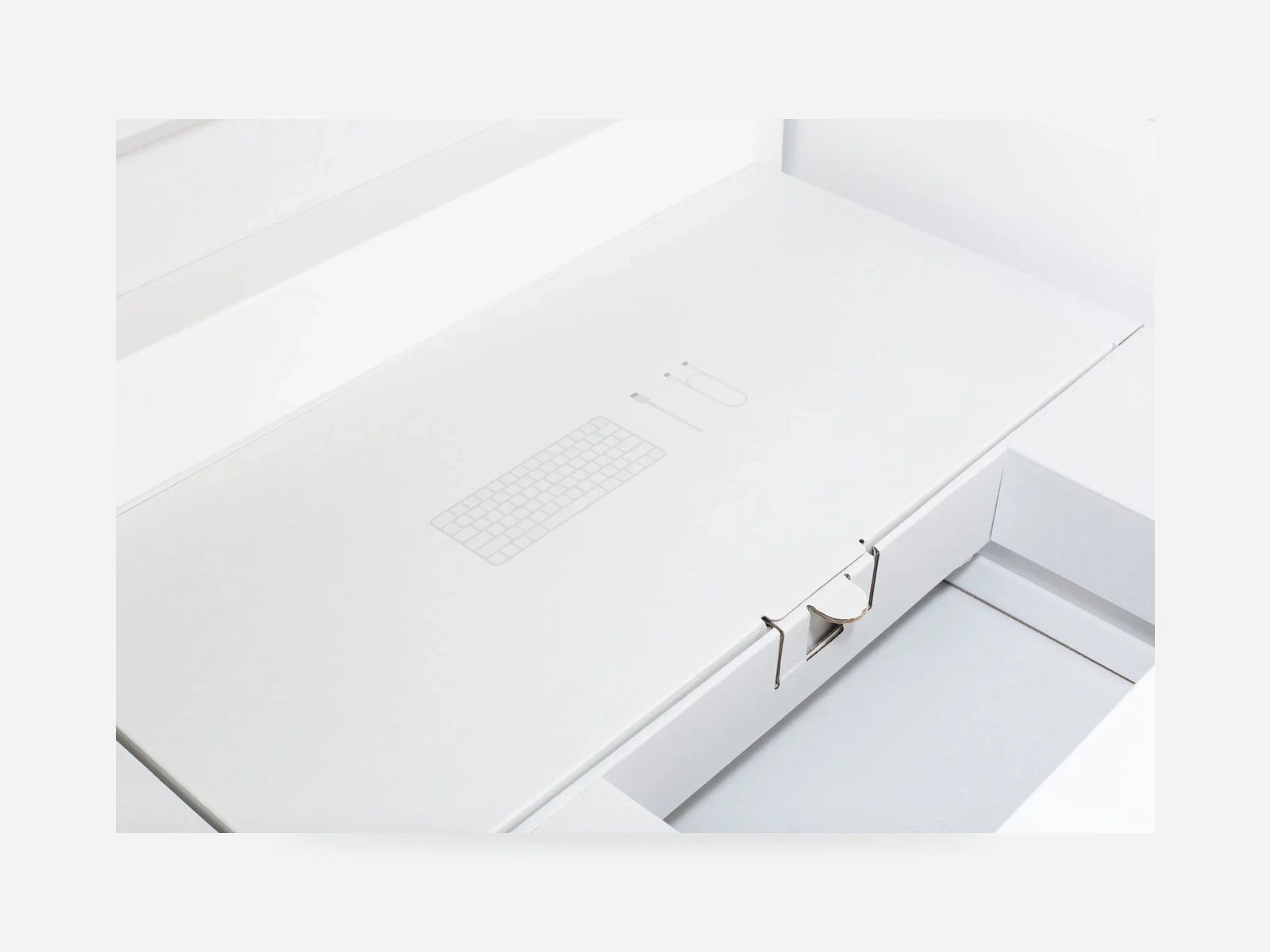
Map every component and failure risk
Create a packing map before drawing the box. Record the device dimensions and weight together with cables, adaptors, batteries, manuals, protective films and spare parts. Identify screens, switches, connectors and cosmetic surfaces that cannot carry load.
The route changes the structure. A carton placed on a retail shelf inside a master shipper faces different hazards from a parcel sent directly to a customer. Confirm whether the printed pack is the shipping container or only the retail presentation layer.
- Complete component and accessory list
- Fragile, scratch-sensitive and load-bearing zones
- Retail, master-carton or direct-parcel route
- Pack orientation and opening sequence
Choose the outer structure before the insert material
A paperboard folding carton is compact and print-friendly for lighter retail products. A micro-corrugated mailer, including E-flute directions where appropriate, adds edge and compression protection for parcel handling. Heavier or more fragile products may need a stronger corrugated shipping carton around the retail pack.
The final board construction should be confirmed by the packed product and route. Flute name alone is not a performance guarantee; liners, combined board, box geometry and manufacturing quality also matter.
- Folding carton for controlled retail distribution
- Micro-corrugated mailer for added transport strength
- Retail carton plus shipping outer for higher risk
- Board specification recorded for repeat orders
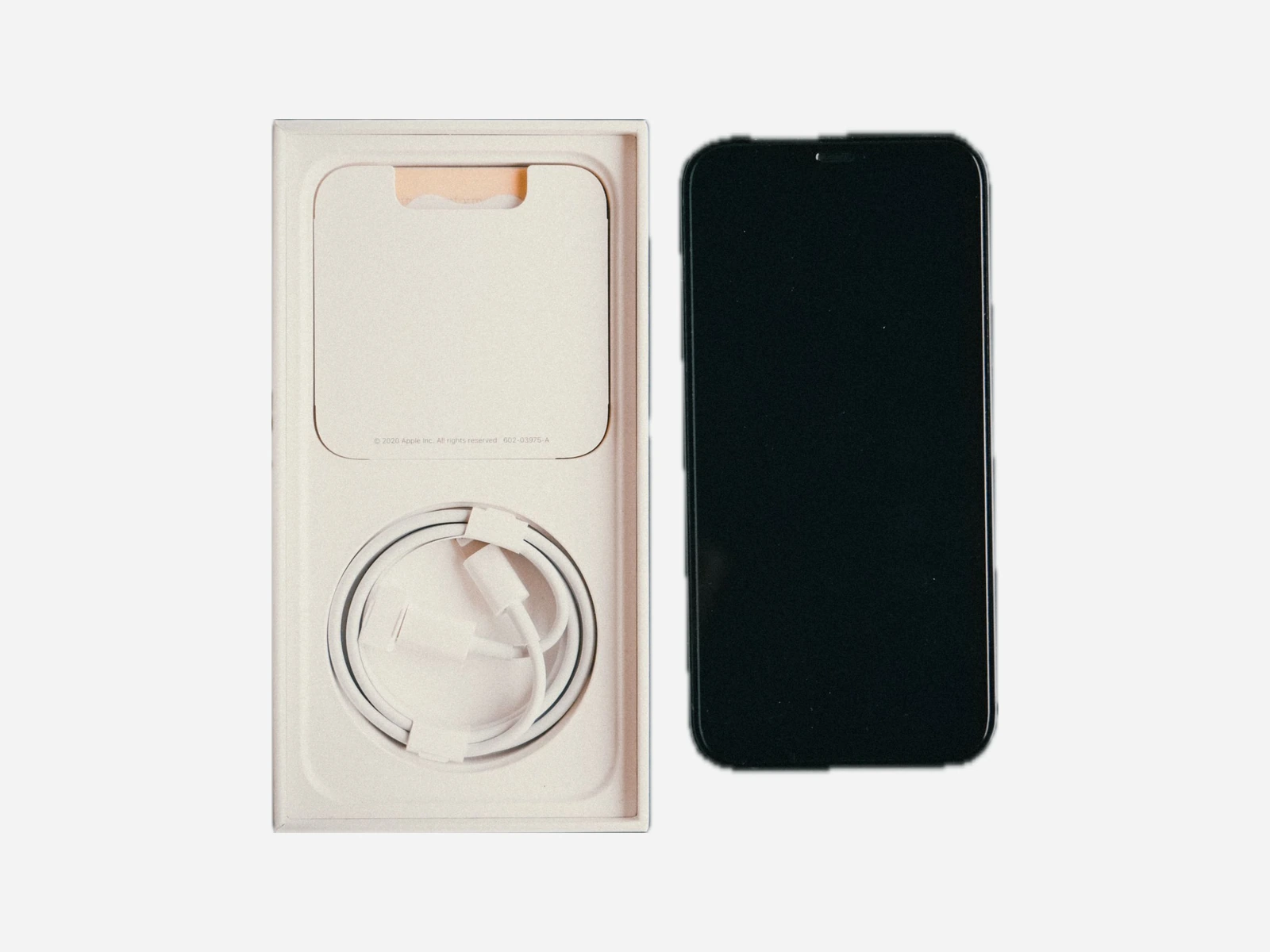
Structure selection by sales and delivery route
The same device may need different packaging layers for retail distribution and direct parcel delivery.
| Route | Primary structure | Insert direction | Validation priority |
|---|---|---|---|
| Retail shelf in master carton | Printed folding carton | Folded paperboard or light corrugated insert | Fit, print, shelf presentation and master-carton pack |
| Direct parcel delivery | Micro-corrugated mailer or shipping outer | Corrugated, folded board or moulded fibre | Drop, vibration, compression and closure |
| Multi-part accessory set | Folding carton or mailer with compartments | Partitioned paper structure | Missing parts, movement and packing sequence |
| Fragile screen or glass surface | Retail pack plus protective transport layer | Load-spreading insert with surface clearance | Impact, pressure points and abrasion |
Use the insert to control movement and pressure
A good insert prevents the product from gaining momentum inside the box and keeps accessories away from vulnerable surfaces. Folded paperboard can create platforms and compartments, while corrugated or moulded fibre can add cushioning and load distribution.
Check insertion force, removal, cable placement and manual thickness. A tight sample may become impossible to pack when production tolerances, protective films and accessory bundles are included.
- Restrain movement in all axes
- Avoid concentrated pressure on screens and ports
- Allow practical packing and unpacking
- Check tolerance across multiple product samples
Validate the complete packaged-product system
Select a test method that represents the distribution system and package type. ISTA 3A, for example, addresses individual packaged products moving through parcel delivery systems and includes package classifications and hazards defined by the procedure.
A test result applies to the tested configuration. Record product version, pack sequence, insert, board, tape or closure and test orientation. If a component or structure changes, review whether the validation still applies.
- Document the exact tested configuration
- Inspect product and packaging after the sequence
- Record closure, label and pack-out details
- Review changes before repeat production
Reference sources
Official sources for further verification
Regulations, standards and distribution requirements change. Verify the current requirements for the product and destination market before production.