Understand what a flute designation does and does not tell you
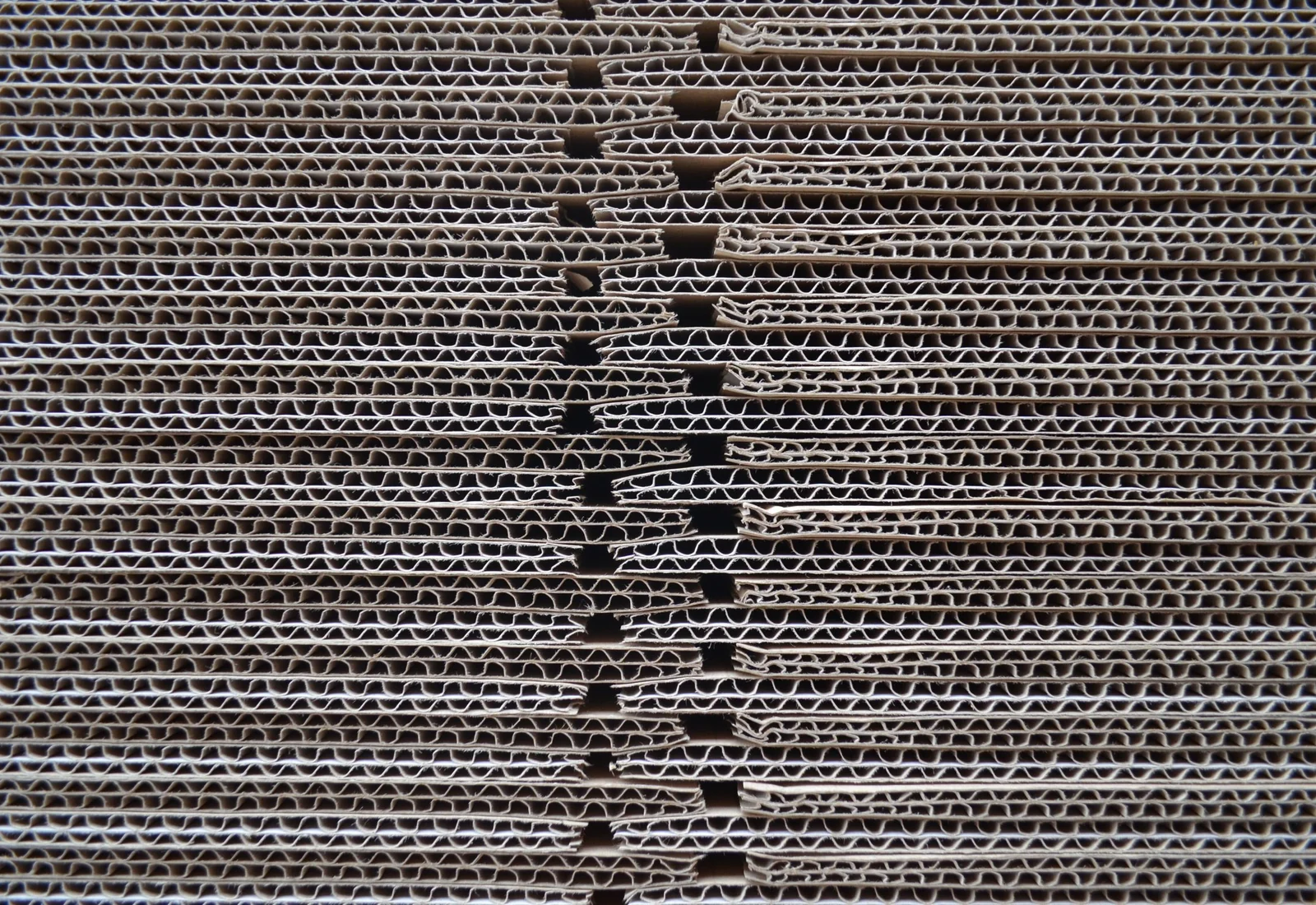
Corrugated board is built from liners and a fluted medium. The flute profile affects board thickness, cushioning, bending and the visual character of the printed surface. FEFCO lists indicative heights of about 1.2 mm for E flute and 2.4 mm for B flute, but these values are not a purchase specification and actual board can vary.
Two boards called “E flute” can perform differently because paper grades, basis weights, recycled content, moisture, adhesive application and manufacturing quality differ. The quotation should identify the proposed board construction or agreed performance level, not just the flute letter.
- Flute profile and indicative combined-board thickness
- Liner and medium paper grades
- Board moisture and manufacturing quality
- Agreed performance and visual requirements
Use E flute when compactness and print presentation lead
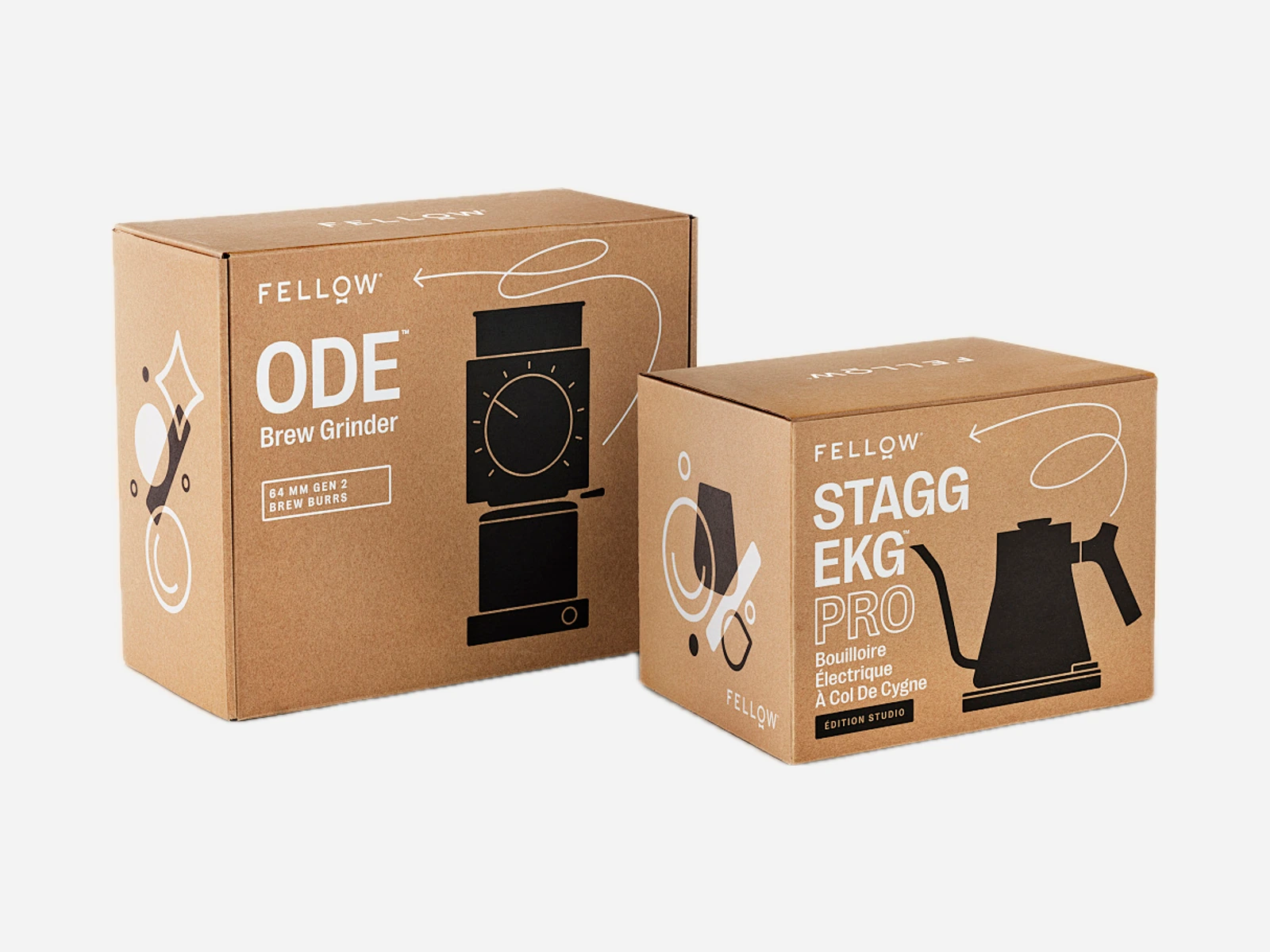
E flute is often used for e-commerce mailers, subscription packs, electronics accessories, cosmetics and smaller retail sets. Its fine profile creates a flatter surface than larger flutes and reduces shipping bulk. Litho-laminated E-flute can combine a high-quality printed liner with corrugated structure.
The fine profile does not automatically make E flute suitable for every parcel. Large unsupported panels, heavy contents, poor locks or excessive empty space can still produce crushing and product movement. Check the complete packed box, closure and master-carton arrangement.
- Compact mailers and presentation packs
- Fine printed liner or litho-laminated graphics
- Moderate product weights with controlled fit
- Panel flatness, lock strength and edge protection
Choose B flute or double wall around load and route
B flute has a deeper profile than E flute and can provide greater cushioning and resistance to local impact, making it a useful direction for larger mailers, heavier contents or master cartons. The more visible corrugated profile and greater bulk must be considered when premium graphics or compact storage are priorities.
Double wall combines two fluted mediums and three liners. Constructions such as EB can balance a finer outer surface with additional thickness, but the letters still do not define the paper grades or finished performance. Use double wall where the packed load, stacking duration, puncture exposure or route justifies it, rather than treating it as a universal upgrade.
- B flute for added thickness and cushioning
- EB or other double wall for higher structural demand
- Liner selection matched to print and handling
- Pallet, parcel and warehouse conditions reviewed together
E flute, B flute and double-wall selection directions
The table provides practical starting points. Final construction must be confirmed against product weight, geometry, route and testing.
| Board direction | Indicative profile | Common use | Confirm before approval |
|---|---|---|---|
| E flute | Fine flute, about 1.2 mm indicative height | Compact printed mailers and retail presentation | Panel size, locks, product fit and parcel route |
| B flute | Larger flute, about 2.4 mm indicative height | Larger mailers, master cartons and added cushioning | Print surface, storage bulk and compression demand |
| EB double wall | E and B layers combined | Heavier packs or routes needing more structural reserve | Exact papers, thickness, creasing and packed test |
| Litho-laminated board | Printed paper sheet laminated to corrugated board | High-detail graphics with corrugated support | Adhesion, warp, colour and fold cracking |
| Performance-specified board | Supplier-defined construction meeting agreed values | Repeat programs with measurable requirements | Test method, conditioning and acceptance range |
Validate structure, flute direction and packed performance
Compression strength is influenced by box perimeter, panel dimensions, cut-outs, scores, slots, flute direction and load distribution. A handle, window or tear strip may interrupt the load path. The product and insert can either support the box or concentrate force on a weak panel.
Approve a blank sample for fit and assembly, then select a distribution test that represents the actual route. Record the tested product weight, board construction, closure, orientation and conditioning. A result from a different size or pack-out should not be assumed to cover the new design.
- Check fit and movement with the final product
- Confirm flute direction and crease quality
- Review handles, windows and tear strips
- Document the complete tested configuration
Reference sources
Official sources for further verification
- FEFCO: How corrugated board is made and indicative flute profiles
- FEFCO and VDW: Quality catalogue for corrugated board and boxes
- ISTA: Package test procedures and projects
Regulations, standards and distribution requirements change. Verify the current requirements for the product and destination market before production.