Define the distribution risk
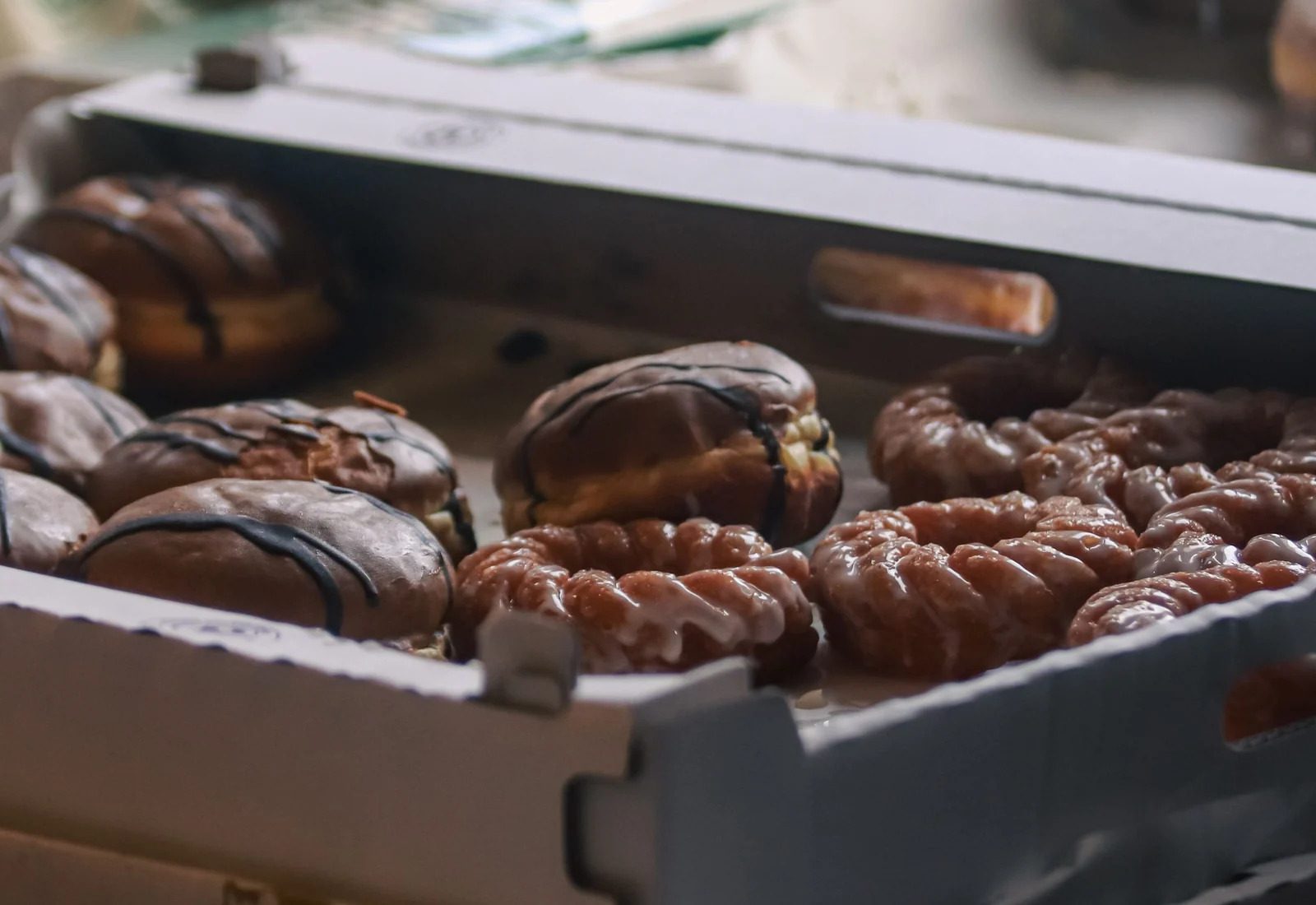
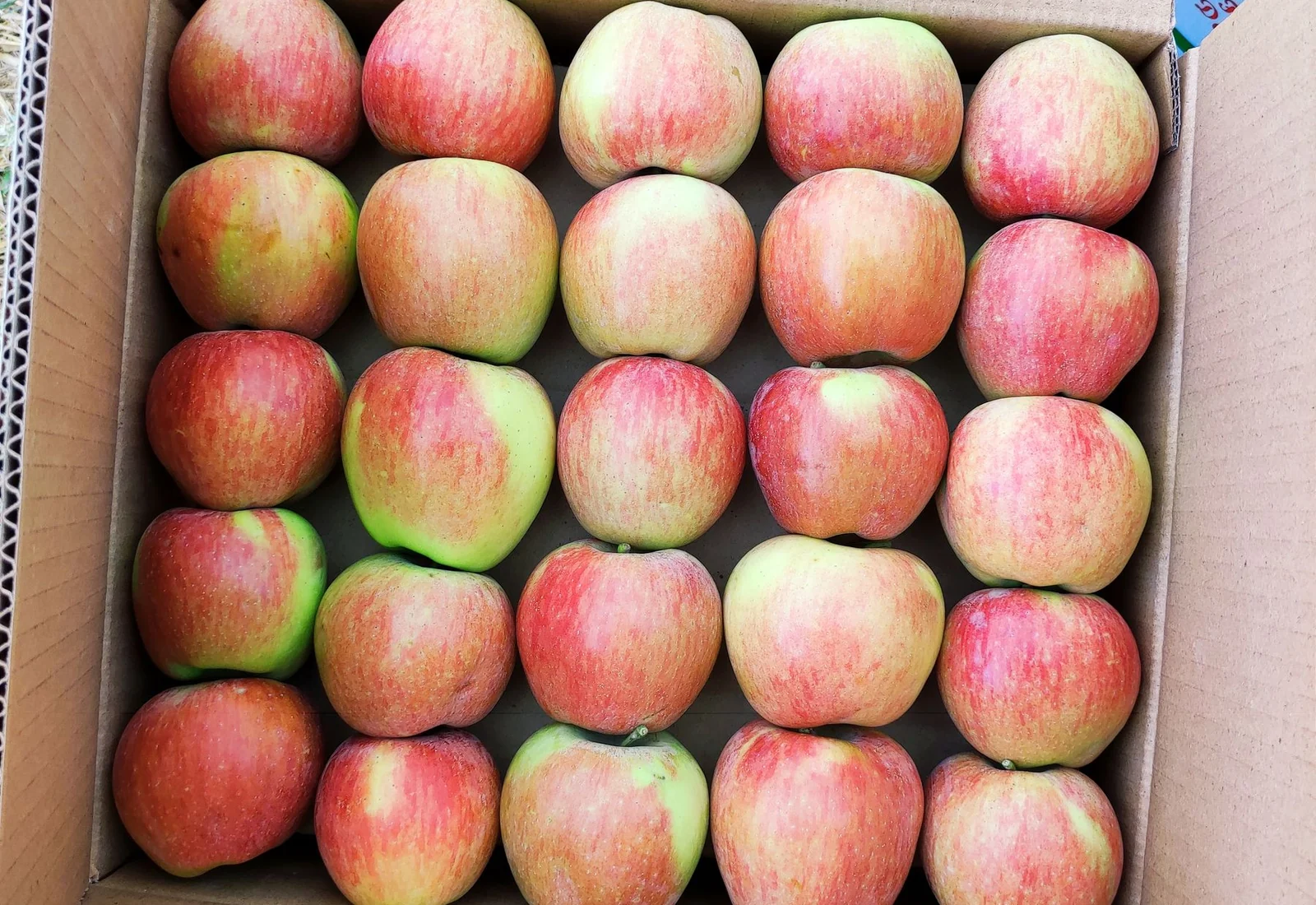
Fresh produce may need airflow, drainage tolerance and compression resistance. Bakery and snack cartons may prioritize clean folding, grease resistance or window presentation.
A box for local hand delivery can use a different structure from one moving through cold chain, pallet stacking or parcel delivery.
- Packed weight and product movement
- Stacking height and pallet pattern
- Temperature and humidity exposure
- Retail shelf or gifting requirement
Design openings without weakening the box
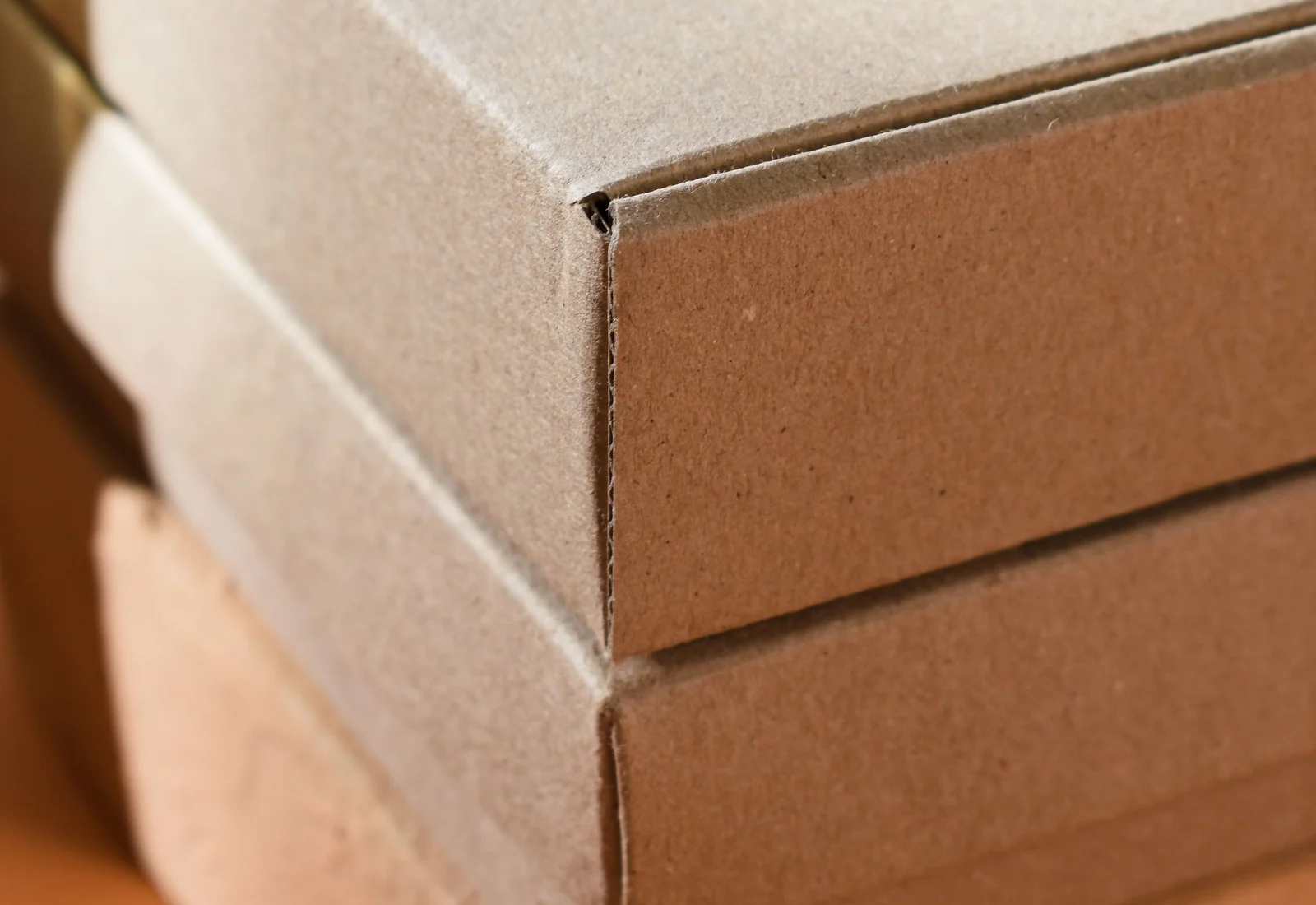
Vent holes, handles and windows remove material from structural panels. Their size and position should be checked against fold lines, corners and expected load.
A physical blank sample is the fastest way to find interference between product, insert, handle and closure before print production.
- Keep openings away from high-stress corners
- Check finger clearance for handles
- Confirm window film and bonding area
- Test the fully packed sample
Match decoration to handling
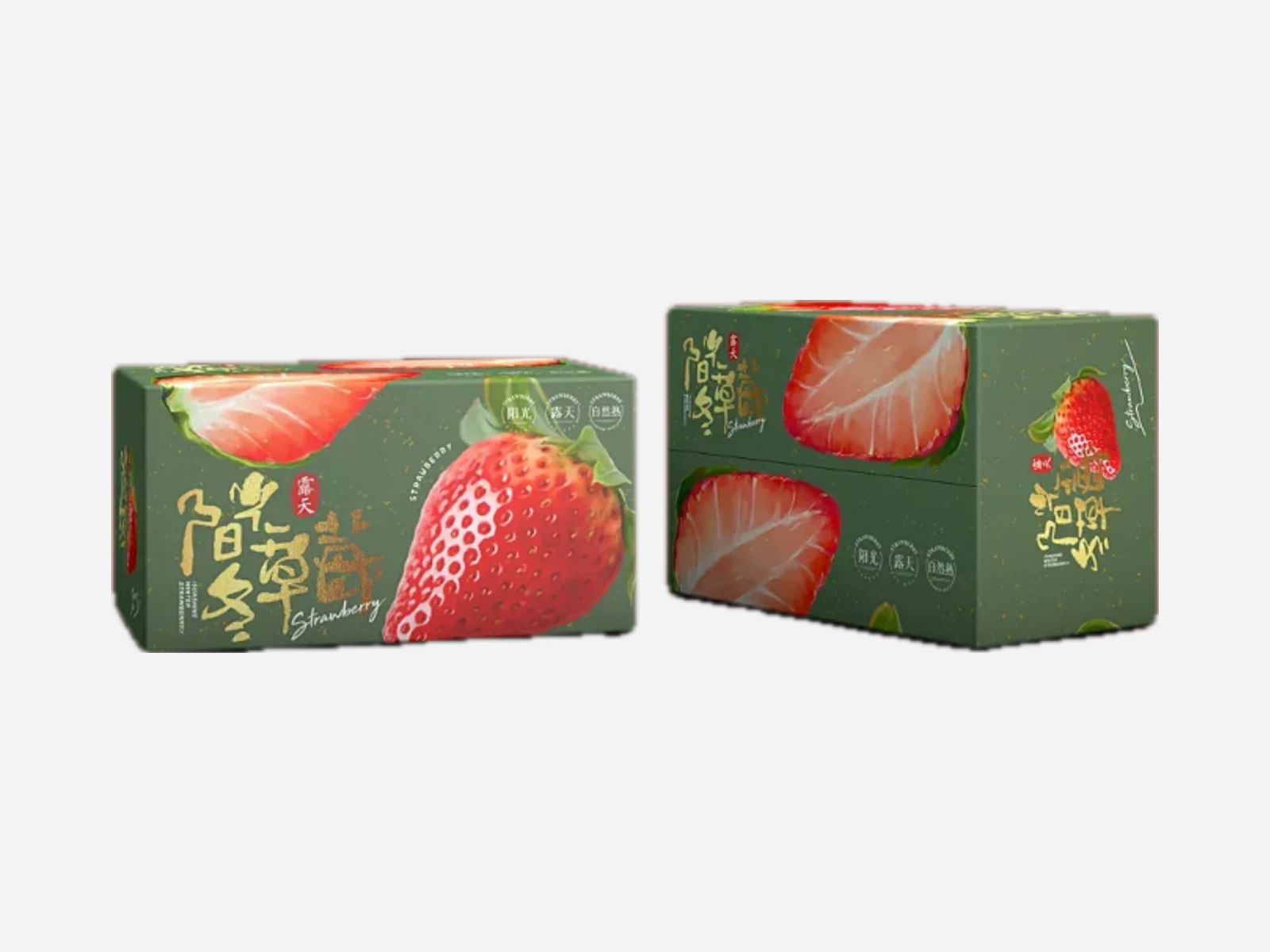
A glossy or matte finish can improve appearance and scuff resistance, but the final choice should suit moisture, grease, cold surfaces and recycling expectations.
Keep regulatory text, barcodes and traceability codes away from folds and areas likely to abrade during transport.
- Protect barcode contrast
- Reserve glue and food-safety zones
- Use finishes only where they add value
- Confirm pack and outer-carton labeling