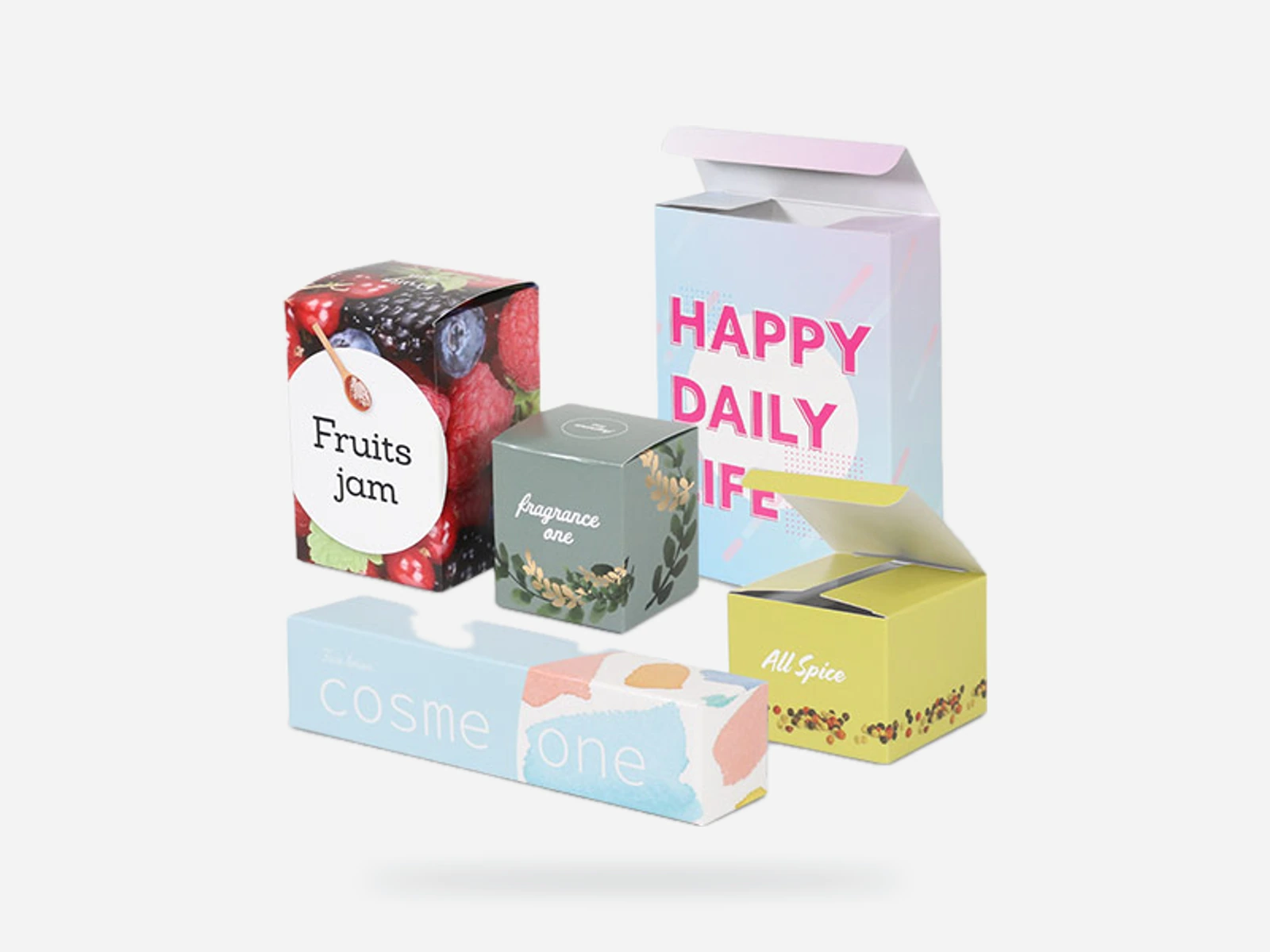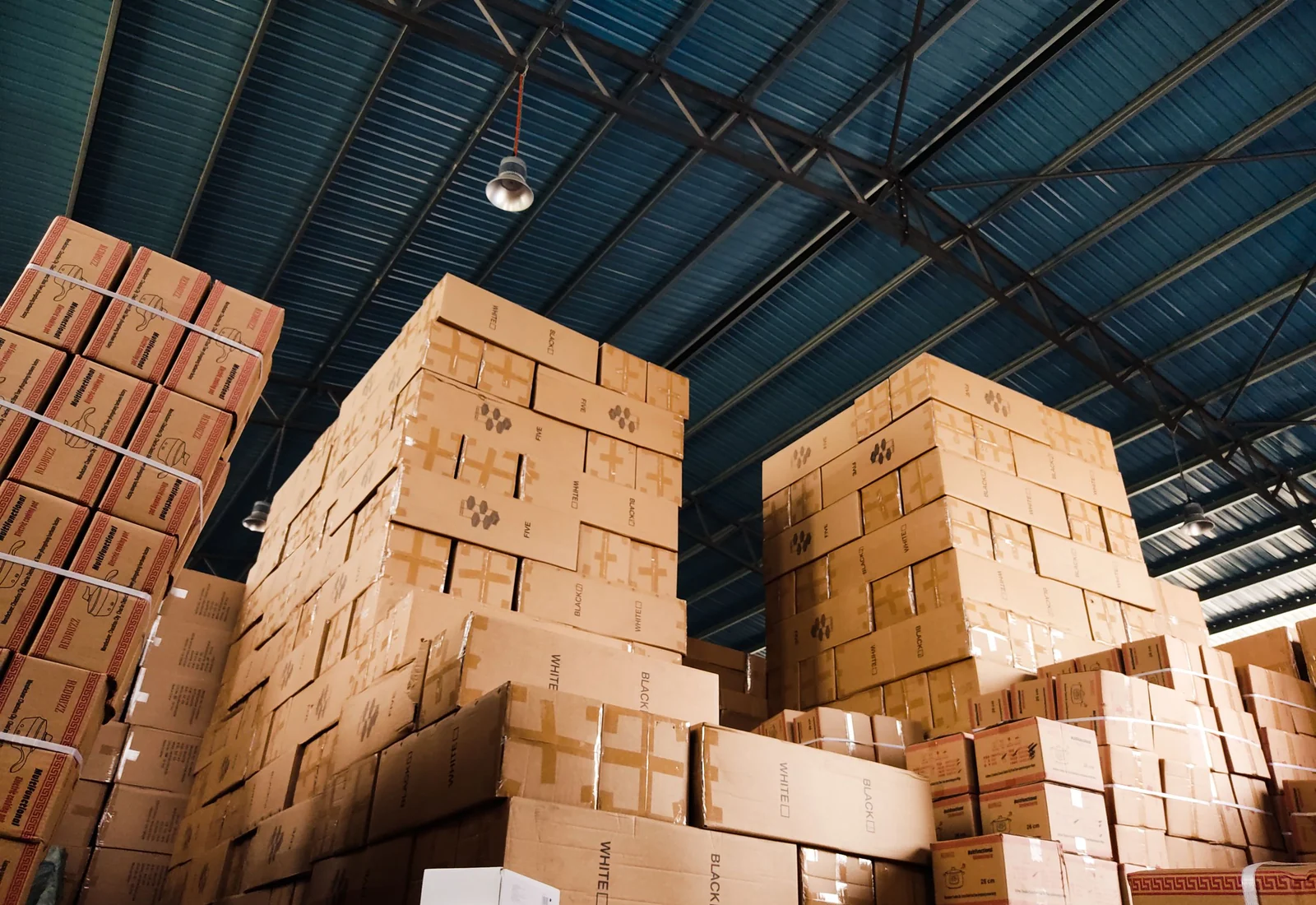
Define when the project is ready to enter the schedule
An inquiry date is not a production start date. Before structural work can be planned, the factory needs product dimensions or samples, box quantity, route, structure direction and a decision-maker. Before printing can be scheduled, the approved dieline, final artwork, colour references and commercial release must be complete.
Create one readiness checklist with owners and dates. If the buyer is still changing copy, product dimensions or the number of SKUs, show that work as pre-production rather than hiding it inside a factory lead-time promise. This makes delays visible and protects the required delivery date.
- Product data and structure brief complete
- Dieline and blank sample approved
- Artwork and colour targets released
- Commercial approval and payment milestone complete
Separate sampling from mass production
A structural blank answers fit, folding and assembly questions. A digital mock-up can show content and approximate colour. A decorated production-intent sample is used when paper, foil, UV, embossing, laminate or exact construction must be seen together. Each sample type has a different purpose and schedule.
Plan one decision round after each necessary sample, not an unlimited series of informal changes. Consolidate comments from brand, engineering, purchasing and regulatory reviewers before returning them to the factory. When a revision changes dimensions or structural openings, the dieline and artwork may both need to be updated.
- Select the sample type according to the risk
- Book internal review time, not only factory time
- Return one consolidated change list
- Freeze approved structure before releasing tooling
Map production operations and dependencies
Material purchasing, printing plates, cutting dies and special-finish tooling can begin only after the relevant specification is stable. Printing normally precedes lamination or varnish, foil or UV, die-cutting, stripping, gluing and packing. Hand-assembled rigid boxes or complex inserts add operations and inspection points.
Some preparation can run in parallel, but only when a later change will not make the work obsolete. For example, export-carton planning can proceed while artwork is reviewed, while a cutting die should not be released if the dimensions remain uncertain. Ask the supplier to identify the critical path rather than presenting one unexplained total number.
- Paper availability and approved substitute rules
- Plate, die and special-finish tooling release
- Printing, finishing and converting sequence
- Drying, curing, handwork and inspection time
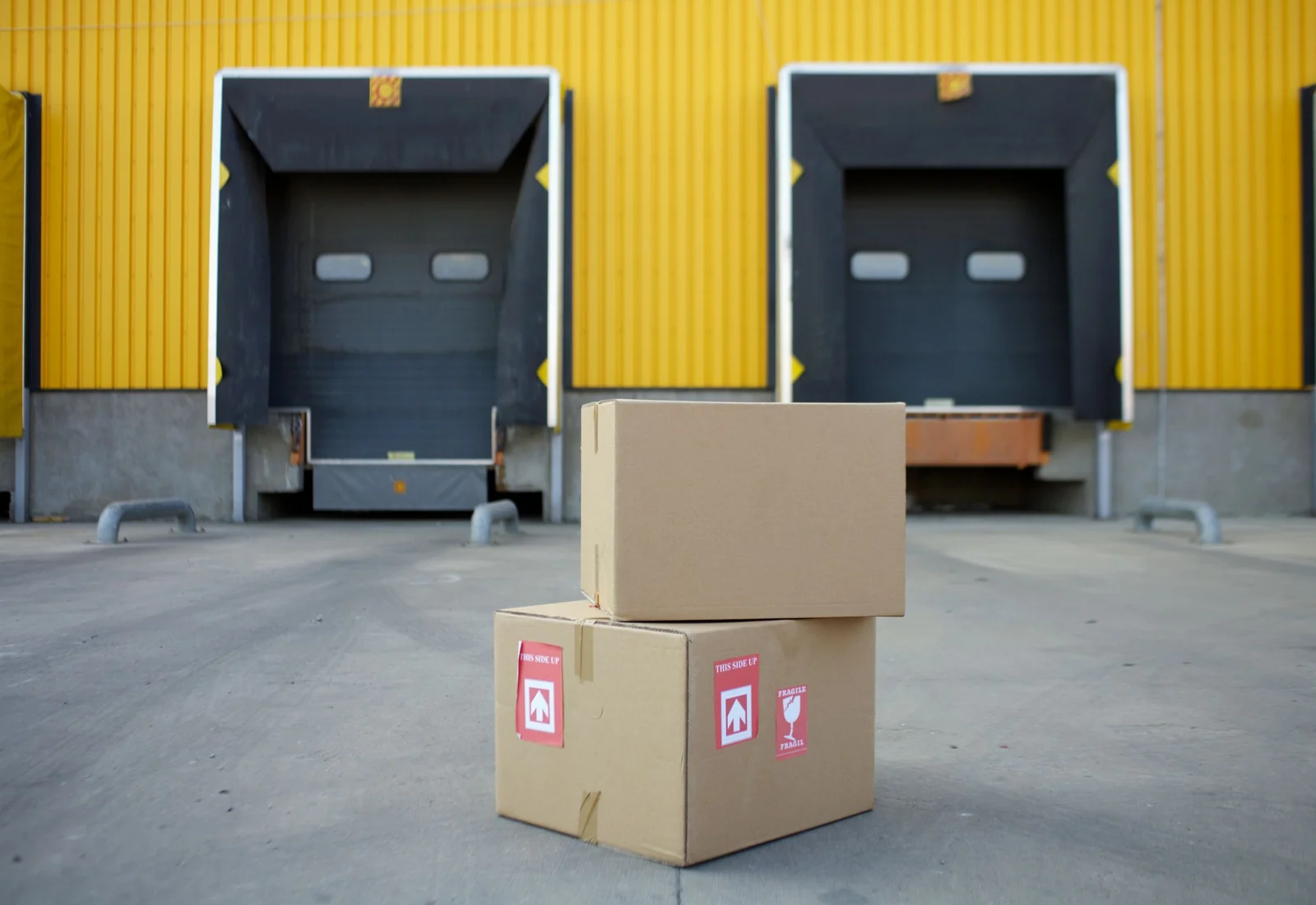
Custom packaging schedule by phase
Use milestone dates and responsible owners. The duration of each phase depends on the actual structure, material, quantity, approvals and route.
| Phase | Buyer decision | Factory work | Common delay trigger |
|---|---|---|---|
| Brief and dieline | Confirm product, size, route and box direction | Develop structure and dimensions | Missing product data or changing dimensions |
| Sampling | Approve fit, content, colour and finish as applicable | Make blank, digital or decorated sample | Scattered comments or wrong sample expectation |
| Pre-production | Release artwork, specification and commercial order | Buy paper and prepare plates or tooling | Special material unavailable or artwork not final |
| Mass production | Respond to agreed hold points | Print, finish, die-cut, glue and inspect | Extra processes, many SKUs or late changes |
| Freight | Confirm booking, documents and destination details | Pack, label and hand over goods | Peak capacity, customs information or route disruption |
Plan shipment from the required arrival date backwards
Factory completion is not customer delivery. Add export packing, booking, pickup, port or terminal handling, main transport, customs and final delivery as applicable. The named Incoterms rule defines cost and risk responsibilities, but it does not by itself state the shipping duration or required documents.
Build a schedule with a target arrival date, latest ship date, production release date and approval deadlines. Include public holidays, peak shipping periods and contingency for a failed approval or test. For repeat orders, review whether artwork, product, material or regulation has changed before assuming the previous lead time still applies.
- Required arrival date and delivery location
- Named Incoterms rule and transport mode
- Booking, customs and document responsibilities
- Contingency for revision, test or transport disruption
Reference sources
Official sources for further verification
- ICC: Incoterms 2020 questions and answers
- ICC Academy: Choosing between C and D Incoterms rules
- ISTA: Getting started with packaging design and testing
Regulations, standards and distribution requirements change. Verify the current requirements for the product and destination market before production.