Classify the packaging level before applying a percentage
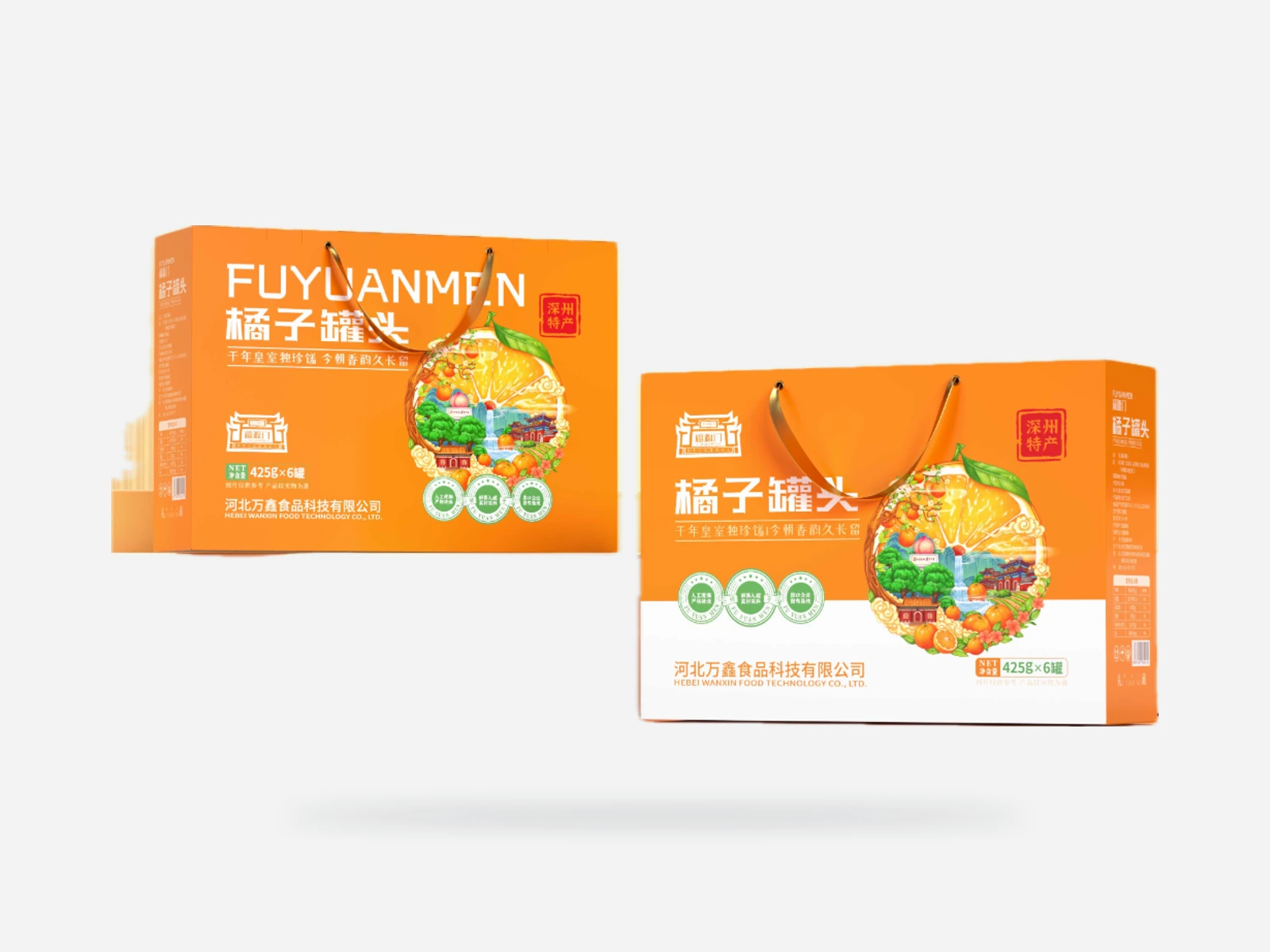
Sales packaging forms the unit offered to the end user, grouped packaging combines sales units, transport packaging facilitates handling and transport, and e-commerce packaging is used to deliver products in distance sales. A printed retail carton, a master shipper and a courier mailer can therefore sit in the same packaging system but follow different Article 24 treatment.
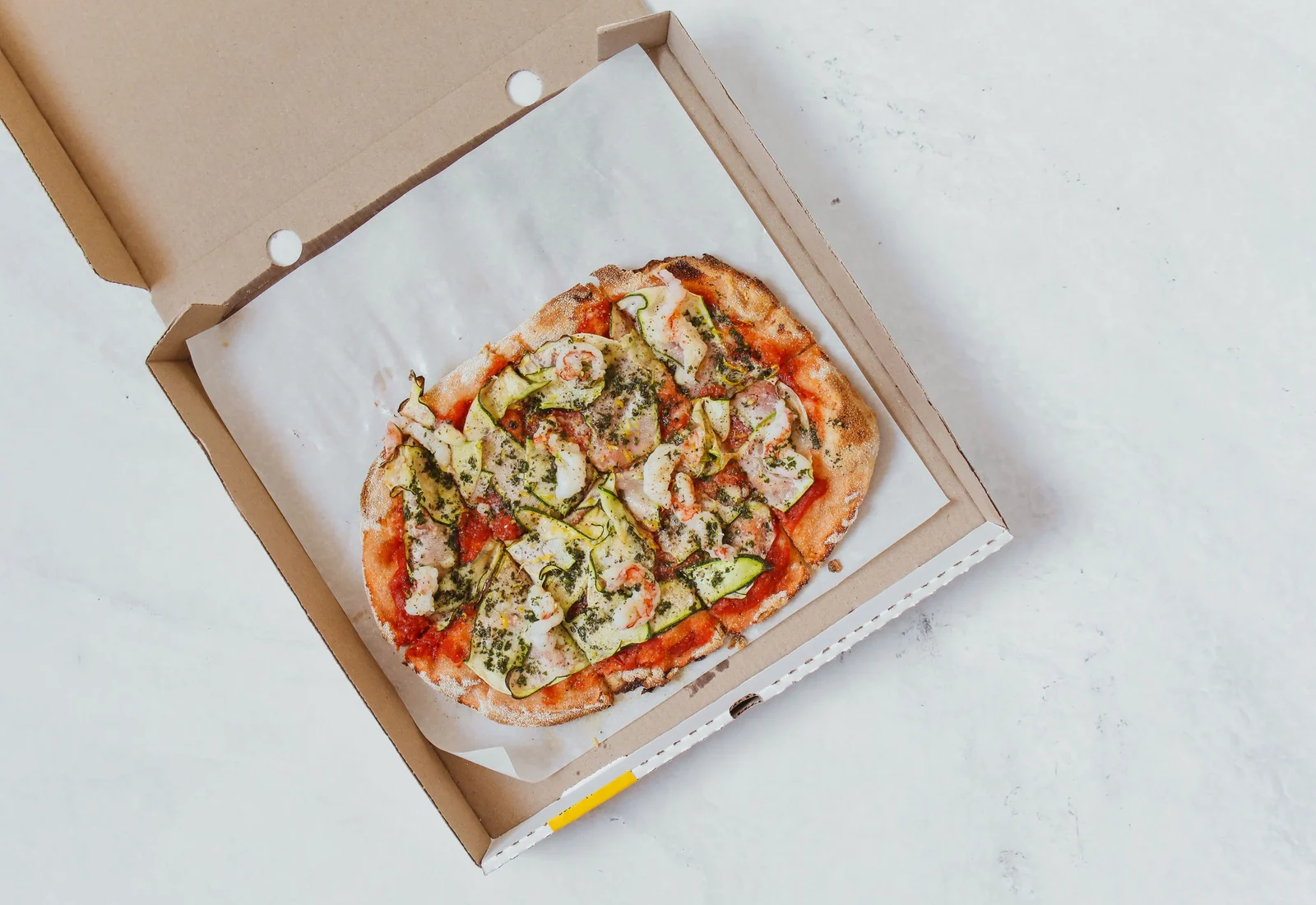
The 50 percent cap is aimed at grouped, transport and e-commerce packaging. Sales packaging has a separate minimum-necessary empty-space rule from 12 February 2028. Commission guidance confirms that there is no predefined sales-pack threshold; it is assessed through the applicable minimisation framework. Record the classification in the specification rather than quoting one percentage for every layer.
- Sales carton classified by its real function
- Grouped pack around several sales units
- Transport carton used for handling and distribution
- E-commerce pack used for distance-sale delivery
Understand what PPWR counts as empty space
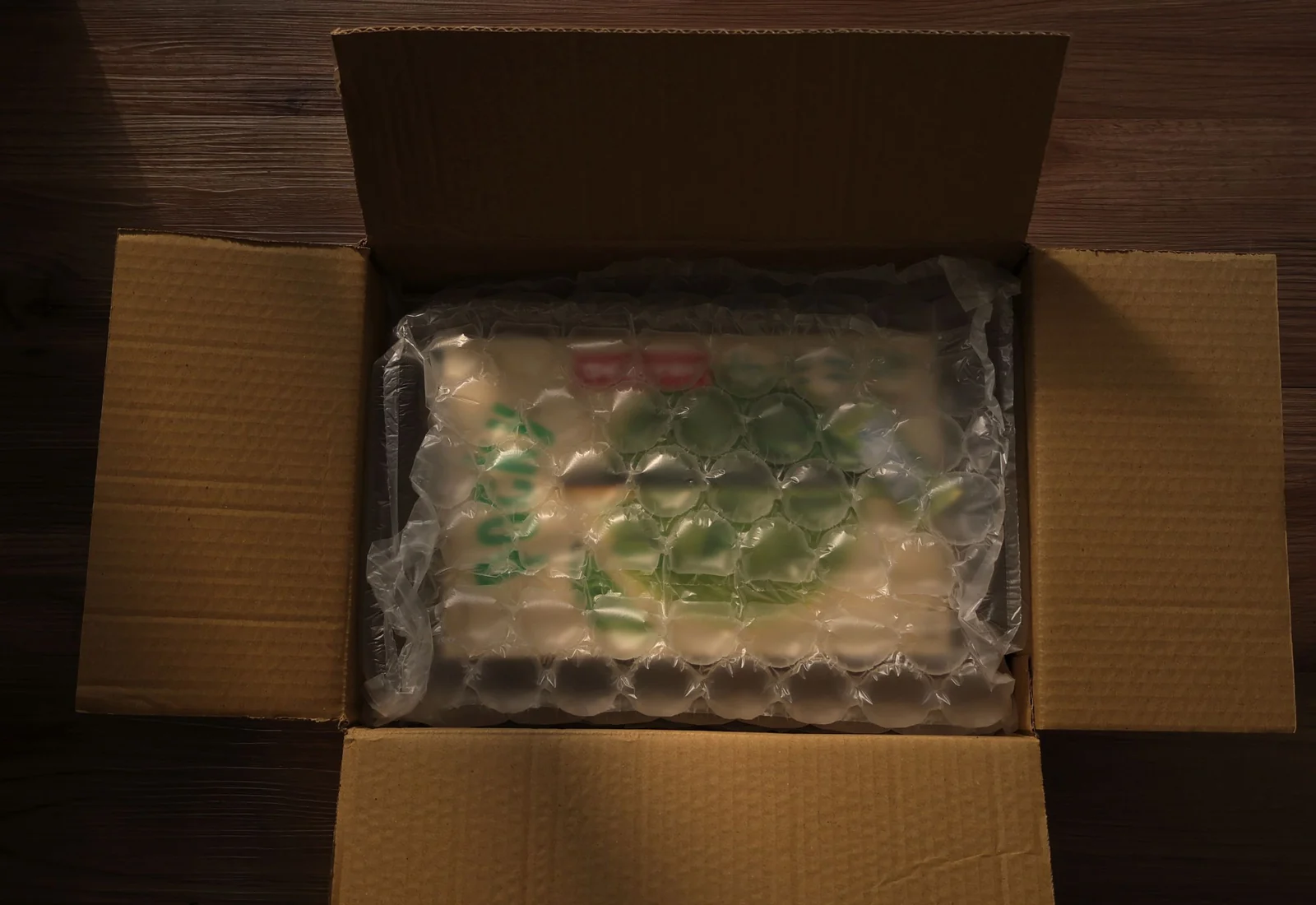
For grouped, transport and e-commerce packaging, empty space is the difference between the total packaging volume and the volume of the sales packaging inside it. Space filled by paper cuttings, air cushions, bubble wraps, sponge, foam, wood wool and polystyrene chips is expressly treated as empty space. Replacing plastic filler with paper does not make an oversized box disappear from the calculation.
For sales packaging, the Regulation compares the internal package volume and product volume, subject to functionality. It includes specific treatment for products that settle during transport and for headspace needed to protect food. The result must reflect the pack at filling and the legally defined method, not an estimate made from a marketing photograph.
- Filler is not counted as packed product
- Nested or irregular products need the official calculation method
- Food headspace and settling have specific treatment
- Measurements should use the approved packed configuration

Which PPWR minimisation rule applies to each packaging level?
This table is a classification aid. Use the legal definitions and final calculation act for the actual package.
| Packaging level | Rule | Timing | Design evidence |
|---|---|---|---|
| Sales packaging | Empty space reduced to minimum necessary | By 12 Feb 2028 | Product fit, headspace need and functional test |
| Grouped packaging | Maximum 50% empty-space ratio | 1 Jan 2030 or three years after the act, whichever is later | Sales-unit volume and outer-pack calculation |
| Transport packaging | Maximum 50% empty-space ratio | Same later-of date | Packed configuration, protection and calculation |
| E-commerce packaging | Maximum 50% empty-space ratio | Same later-of date | Delivery pack volume and sales-pack volume |
| All packaging under Article 10 | Minimum necessary weight and volume | By 1 Jan 2030 | Performance criteria and reasons further reduction is not possible |
Document why each remaining gram and millimetre is needed
Article 10 requires minimum necessary weight and volume by 2030 and prevents features intended only to increase perceived product volume, including unnecessary layers, false bottoms and double walls, subject to defined exceptions. Marketing and consumer acceptance alone do not justify extra material. The technical file must explain which design requirement prevents further reduction for each performance criterion.
Useful evidence includes product dimensions, clearance map, drop or compression results, shelf display constraints, food or hygiene requirements, packing-line tolerances and simulations. Test a thinner board, smaller blank or reduced insert only where the final package still protects the product and can be manufactured consistently. A damaged product is not a successful material-reduction result.
- Minimum internal clearance tied to product geometry
- Board strength tied to packed load and route
- Insert material tied to retention and shock control
- Surface and barrier tied to a defined function
Redesign the full pack system, not only the visible carton
Begin with the product orientation and count, then redesign the sales carton, insert, grouped pack, master carton and pallet together. A small change to the sales carton can increase units per shipper or pallet and may reduce more material and freight volume than a cosmetic board reduction. Use CAD nesting and packed trials to compare complete systems.
For an e-commerce pack, check whether the sales pack can safely perform the delivery function; Article 24 includes a specific exemption from the 50 percent obligation where sales packaging is used as e-commerce packaging, while Article 10 still applies. Legal classification and product protection should be confirmed before combining functions.
- Use internal dimensions and final product orientation
- Compare units per master carton and pallet
- Test closure, compression and parcel handling
- Record the approved system and later changes
Reference sources
Official sources for further verification
- EUR-Lex: PPWR Articles 10 and 24
- European Commission: 2026 PPWR guidance on minimisation and empty space
- European Commission: PPWR frequently asked questions
Regulations, standards and distribution requirements change. Verify the current requirements for the product and destination market before production.