Confirm whether the package is food-contact packaging
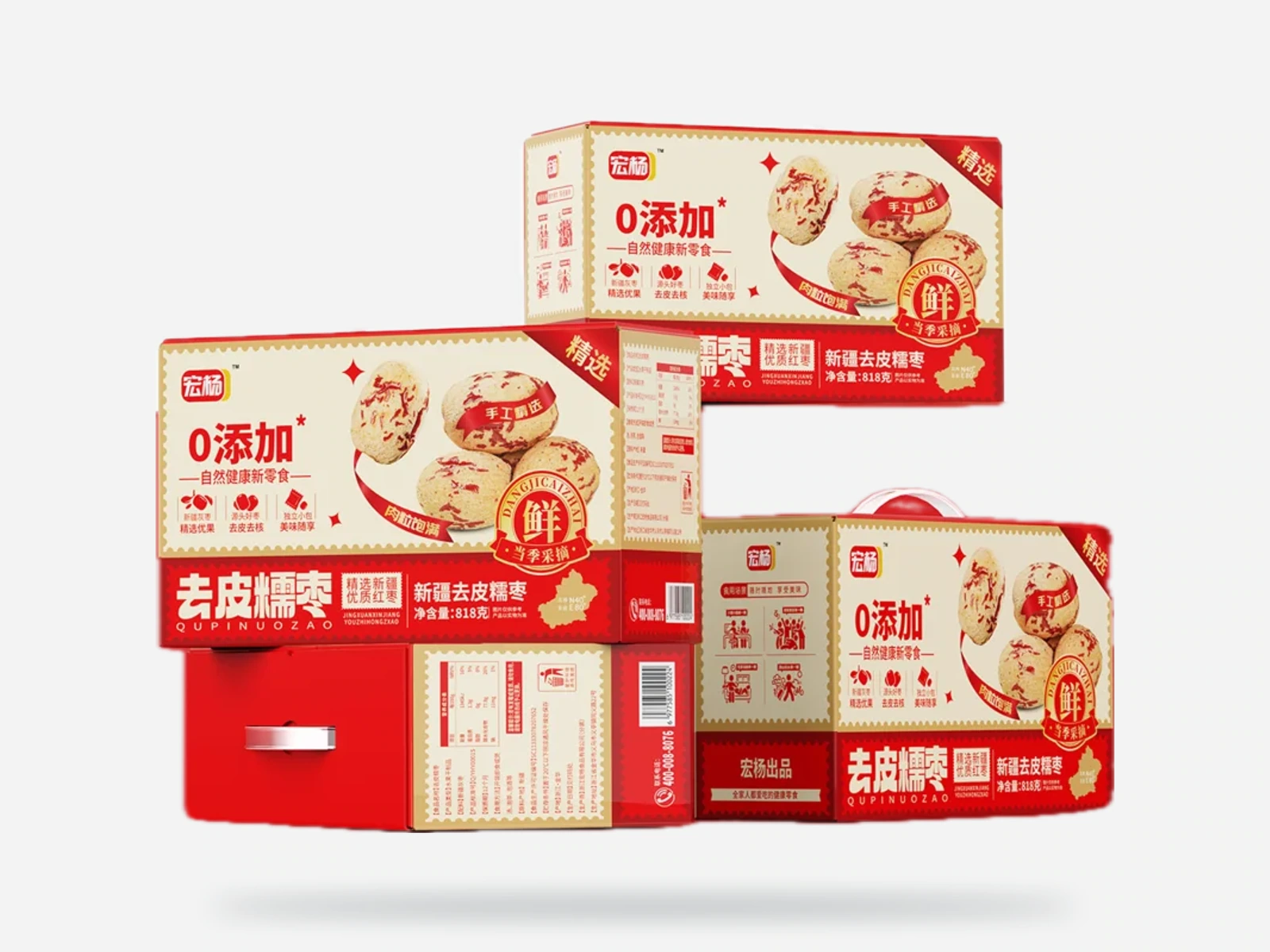
Start by drawing the complete food pack. A pizza box, bakery carton or produce box can have direct contact; a printed folding carton around a sealed pouch may be secondary packaging. Liners, grease-resistant sheets, windows, coatings, adhesives and printing set-off can change the exposure route. Do not classify the package from its product name alone.
Record the food type, fat and moisture, contact area and time, filling and storage temperature, reheating or freezing, and whether the paper contacts food directly or through a functional barrier. PPWR PFAS limits do not replace the EU food-contact-material framework or good manufacturing practice. Both sets of requirements may need to be addressed.
- Direct, incidental or secondary contact
- Dry, fatty, moist or acidic food
- Time, temperature and storage conditions
- Every coating, liner, film and adhesive in the contact path
Read all three PFAS thresholds together
The restriction is triggered when food-contact packaging contains PFAS at or above any listed threshold, to the extent another EU legal act has not already prohibited that concentration. The 25 ppb and 250 ppb values use targeted analysis and exclude polymeric PFAS from quantification. The 50 ppm value includes polymeric PFAS and therefore addresses a broader total.
A supplier statement saying that PFAS was not intentionally added can be useful, but it is not identical to analytical evidence that the concentration stays below all applicable limits. Conversely, total fluorine is a screening signal and may include non-PFAS fluorine. Agree who provides formulation information, who arranges testing and how unexpected results will be investigated.
- 25 ppb for any targeted PFAS
- 250 ppb for the sum of targeted PFAS
- 50 ppm for PFAS including polymeric PFAS
- Total-fluorine evidence route where the Regulation requires it

PPWR PFAS thresholds effective from 12 August 2026
Food-contact packaging must remain below each applicable limit. Confirm method scope and reporting limits with a qualified laboratory.
| Threshold | Measurement scope | Polymeric PFAS treatment | Buyer action |
|---|---|---|---|
| 25 ppb | Any PFAS by targeted analysis | Excluded from this quantification | Check individual reported compounds and method limit |
| 250 ppb | Sum of targeted PFAS, with precursor degradation where applicable | Excluded from this quantification | Review summed result and precursor treatment |
| 50 ppm | PFAS total under the PPWR wording | Included | Confirm broad method and interpretation |
| Total fluorine above 50 mg/kg | Evidence route for fluorine measured as PFAS or non-PFAS | Can indicate broader fluorine sources | Request the evidence needed for technical documentation |
| Other food-contact rules | Safety, migration, GMP and traceability as applicable | Separate legal frameworks continue | Do not treat PFAS screening as complete food-contact approval |
Build the evidence chain before approving grease resistance
Food packaging often needs oil, moisture or release performance. Specify the required function and ask the paper, coating, ink and adhesive suppliers for exact product names, intended-use statements, PFAS information, revision dates and change notification. Avoid buying a generic “oil-proof paper” without knowing how the resistance is achieved.
Testing should match risk. A simple uncoated secondary carton may need a different evidence level from a directly contacting grease-resistant box. Sampling should identify the exact production material and batch, and the report should state the analytical method, reporting limits and whether precursors or polymeric PFAS are addressed. The responsible business should review the result against the legal thresholds.
- Controlled material and coating product names
- Supplier declaration with scope and date
- Batch-linked sample and accredited method where required
- Change notification for coating or formulation revisions
Keep PFAS claims and technical files precise
Avoid printing “PFAS-free” or similar language without defining the scope, threshold, method and evidence. Absolute wording can be misleading when only intentionally added PFAS were reviewed or when the test covers a limited target list. Internal purchase specifications can instead state the legal limits, required declaration and agreed test protocol.
PPWR says compliance with the heavy-metal and PFAS provisions must be demonstrated in Annex VII technical documentation. Store the bill of materials, supplier declarations, risk assessment, reports, artwork and production batch together. If food, coating, supplier or use condition changes, reassess before the next production release.
- Claim wording matches the evidence scope
- Legal thresholds written into the purchase specification
- Documents linked to the final packaging type
- Repeat orders screened for material and supplier changes
Reference sources
Official sources for further verification
- EUR-Lex: PPWR Article 5 PFAS limits and technical documentation
- European Commission: 2026 PPWR guidance document
- European Commission: Food-contact materials overview
Regulations, standards and distribution requirements change. Verify the current requirements for the product and destination market before production.