Treat product scope as a transaction and customs-classification question
EUDR covers seven commodities, including wood, and listed derived products in Annex I. Paper and paperboard products can therefore enter the analysis, but the presence of paper alone does not settle scope. Identify what is being imported or made available, its CN code and the role the packaging performs at that moment.
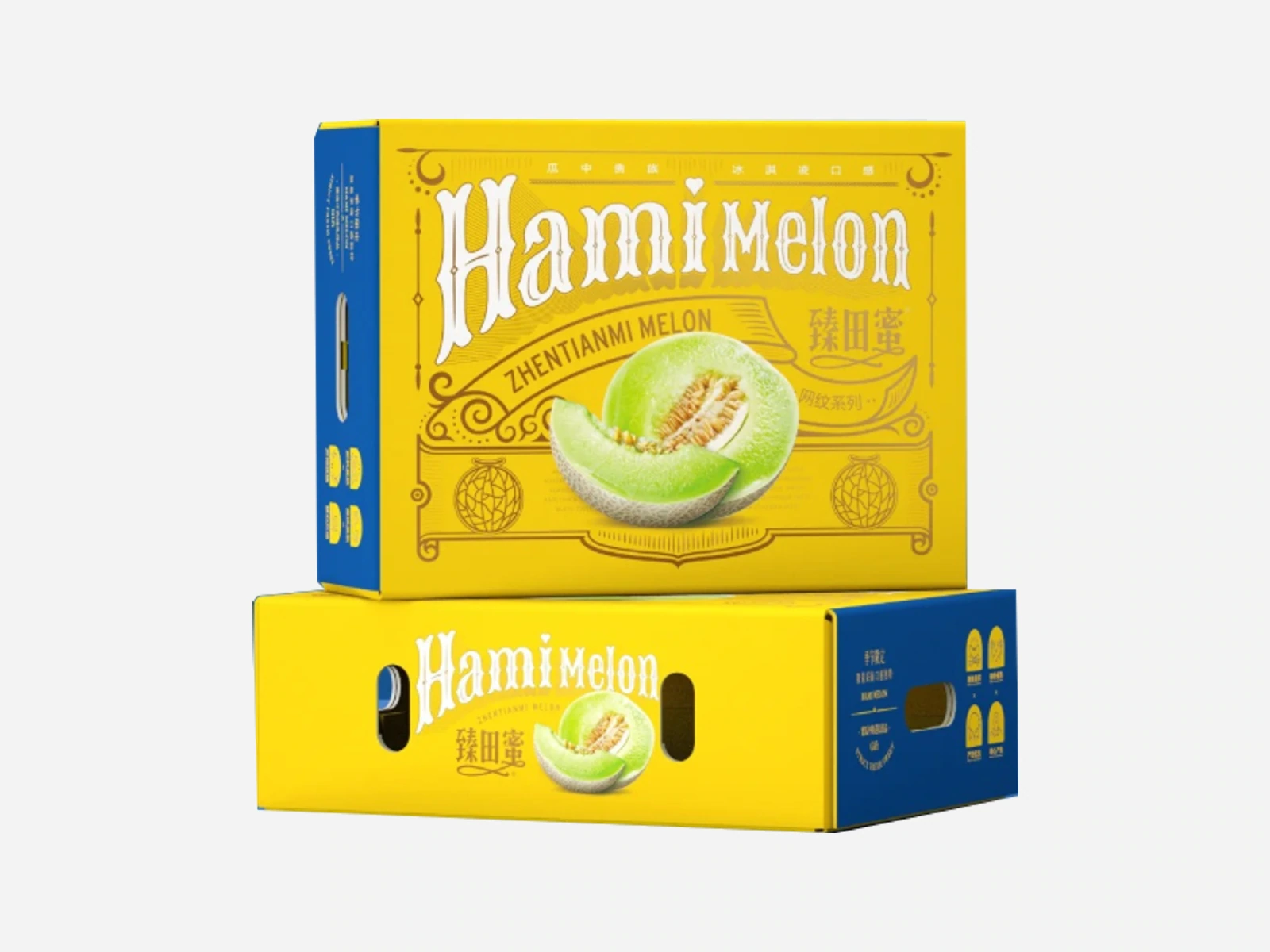
A shipment of empty folding cartons sold as products in their own right can be analysed differently from cartons already filled and used only to protect another product. Reusable packaging and packaging that later circulates separately also need careful review. Obtain a customs and legal classification for the real flow instead of copying a broad internet statement.
- Exact CN code and Annex I wording
- Empty packaging or filled packaged goods
- Single-use or clearly reusable format
- EU importer, operator and downstream-trader roles
Track the July 2026 scope amendment as a live legal status
On 13 July 2026, the Commission announced a Delegated Act updating Annex I and introducing targeted exemptions including packing material. Its explanatory text distinguishes packaging placed on the market as a product in its own right from packaging used to support, protect or carry another product. The Commission also stated that the act would be sent to the European Parliament and Council for scrutiny before entering into force.
Because the status can change after this article date, the buyer should check the final act in the Official Journal before concluding that a paper packaging flow is exempt. Record the legal text and date used for the decision. If the transaction changes from empty boxes to filled goods, or from one-way to reusable packaging, repeat the scope assessment.
- Commission announcement dated 13 July 2026
- Delegated Act status checked before reliance
- Final Annex I wording saved in the compliance file
- Scope rechecked when product flow changes

EUDR paper-packaging scope questions
This decision table identifies the questions to ask. It does not replace CN classification or a final legal opinion.
| Situation | First scope question | Practical next step | Do not assume |
|---|---|---|---|
| Empty folding cartons imported for sale or filling | Are they listed products placed on the market in their own right? | Confirm CN code and current Annex I | All empty paper boxes are exempt |
| Carton already used around another imported product | Is it used only to support, protect or carry that product? | Check final packing-material exemption wording | The July delegated act is final without verification |
| Clearly reusable transport packaging | How is it presented and circulated after use? | Review the current reuse and scope wording | Repeated use automatically removes every duty |
| Recycled paperboard packaging | How do waste or recycled-input provisions apply? | Document fibre composition and current legal treatment | Recycled content alone decides scope |
| Certified virgin-fibre carton | Is the product in scope and is due diligence required? | Use certification as evidence within the operator process | A certification logo replaces EUDR due diligence |
If in scope, build traceability around the relevant wood-derived product
An in-scope EU operator must meet EUDR requirements for deforestation-free production, legality and due diligence. The evidence path can include product description and quantity, country of production, geolocation data for relevant plots, supplier and customer information, risk assessment and mitigation where needed, followed by the due diligence statement through the EU information system.
A non-EU paper-box supplier may be asked for upstream fibre and paper-mill information even when the EU buyer holds the operator duty. Agree evidence requirements before material selection because a generic board substitution can break the documented chain. Recycled or waste inputs and mixed-fibre products need a scope and evidence review under the current rules rather than an assumption.
- Exact paper or board supplier and grade
- Country and upstream source information required by the operator
- Batch or purchase linkage to the packaging order
- Change notification before substituting fibre or mill source
Use certification as supporting evidence, not a substitute for EUDR
FSC or PEFC chain-of-custody documents can support fibre traceability and procurement controls, but a certification mark does not automatically replace EUDR due diligence, the risk assessment or a due diligence statement where these are required. Likewise, absence of a logo on the finished carton does not by itself decide EUDR scope.
Create a buyer-supplier data schedule that states the packaging code, board grade, source evidence, update frequency, audit rights and response time. Separate this EUDR file from the PPWR packaging technical file while linking both to the same packaging specification. PPWR addresses packaging sustainability and waste; EUDR addresses deforestation risk for listed commodities and products.
- Certification number and scope verified
- Operator due-diligence steps completed separately
- No unapproved fibre-source substitution
- EUDR and PPWR records linked but not confused
Reference sources
Official sources for further verification
- EUR-Lex: Regulation (EU) 2023/1115 on deforestation-free products
- European Commission: EUDR implementation overview
- European Commission: July 2026 product-scope and packing-material update
Regulations, standards and distribution requirements change. Verify the current requirements for the product and destination market before production.