Classify the real contact condition before choosing board
A bakery carton can hold pastries directly on a liner, a frozen-food folding carton may surround a sealed plastic pouch, and a fruit box may contact whole produce while also facing moisture and ventilation demands. These are different exposure conditions even when all three are described as paper food packaging.
Draw the full packaging system and identify every material that can touch food during filling, storage, transport and consumer use. Include windows, grease-resistant sheets, coatings, adhesives, printing on the reverse side and any possibility of set-off from stacked or nested blanks.
- Direct, incidental or secondary contact
- Whole, dry, moist, acidic or fatty food type
- Filling, storage and consumer-use temperature
- Contact duration and surface area
Match barriers and surfaces to the food and use
Dry foods may need cleanliness and odour control, while fatty or moist foods can require a functional barrier against grease or moisture. Chilled, frozen and hot-fill conditions also change condensation, stiffness and seal requirements. A barrier should be selected for a defined function rather than added as a generic “food-safe coating.”
The barrier can affect printing, folding, gluing, repulpability and recyclability claims. Confirm which side is coated, whether cut edges are exposed, how the box is formed and whether the inner liner remains intact. Test resistance and package performance under the intended time and temperature.
- Grease, moisture, aroma or oxygen function
- Coating side and exposed cut edges
- Creasing, gluing and converting compatibility
- Performance after chilling, freezing or heating

Paper food packaging use cases and information to confirm
The contact classification guides the evidence request. It does not replace a market-specific assessment of the complete finished pack.
| Use case | Likely contact condition | Key information | Evidence direction |
|---|---|---|---|
| Dry bakery carton | Direct or lined contact | Food surface, contact time, grease and temperature | Paper, ink, adhesive and liner suitability for stated use |
| Takeaway meal box | Direct contact with moist or fatty food | Hot fill, holding time, grease, steam and reheating | Barrier performance and food-contact documentation |
| Frozen-food folding carton | Usually secondary around a sealed inner pack | Freezer conditions, condensation and inner-pack integrity | Secondary-pack specification plus inner-pack review |
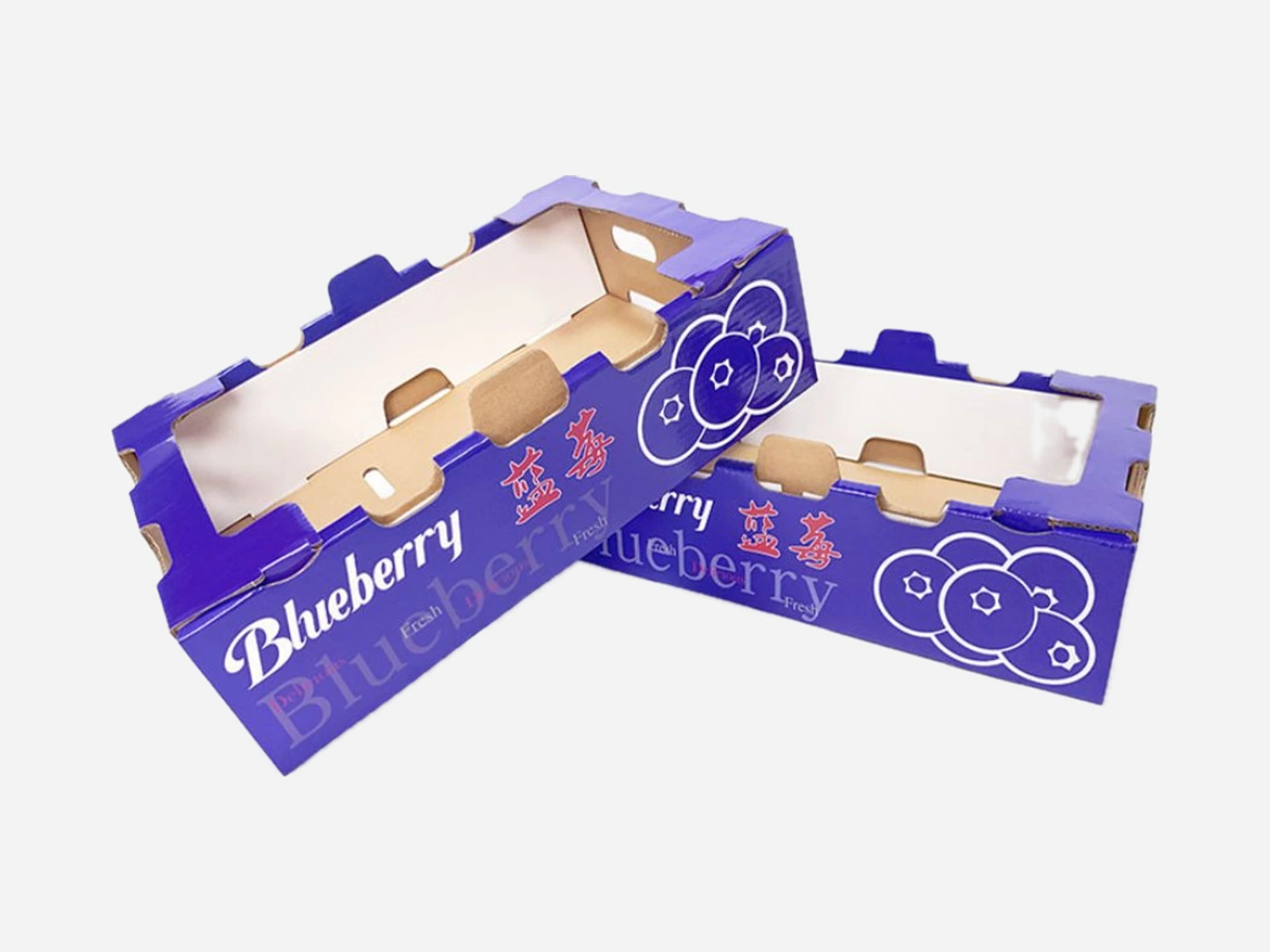
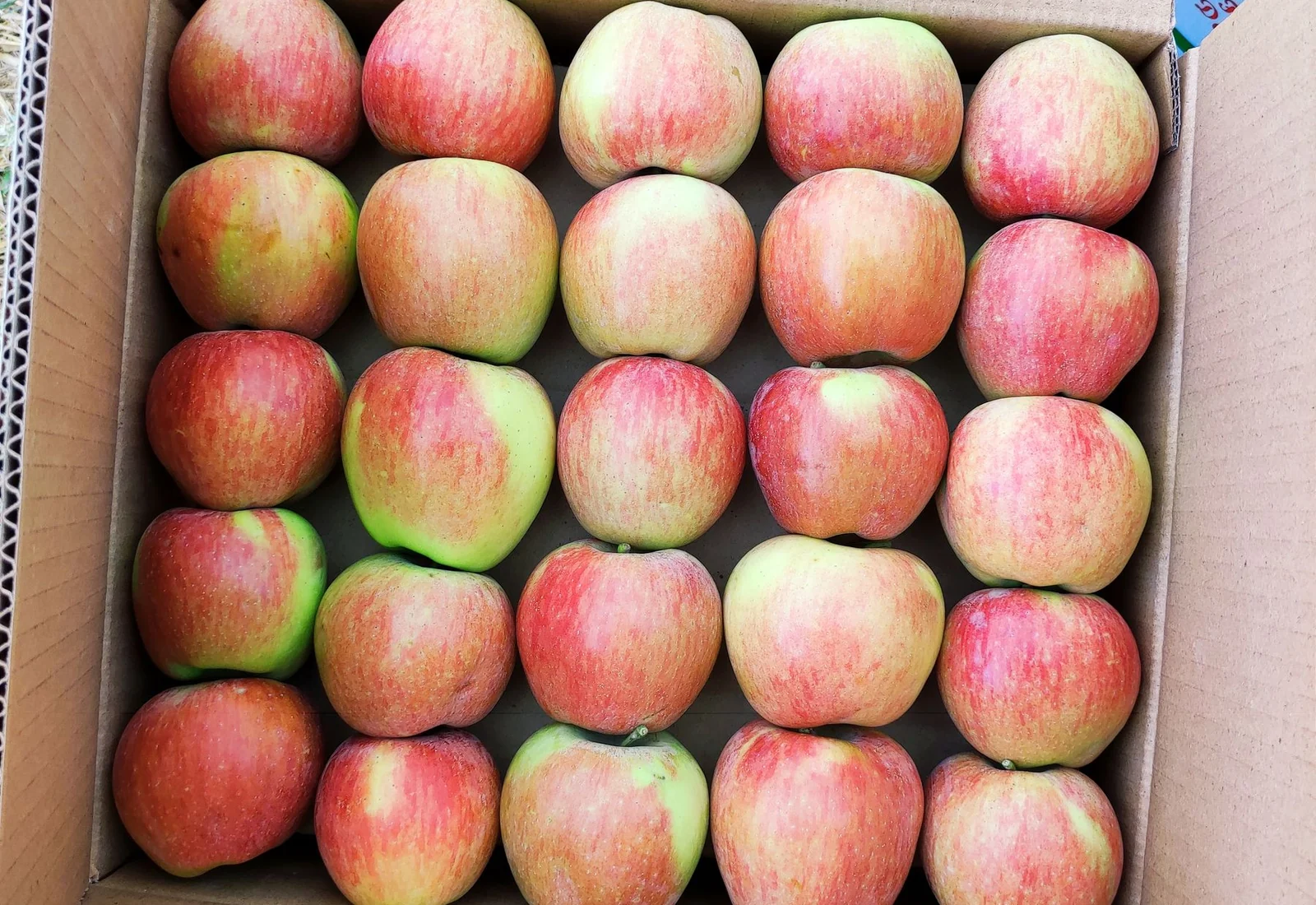
| Fruit or produce carton | Contact with whole produce and moisture exposure | Ventilation, humidity, coatings and route | Material declaration plus packed performance checks |
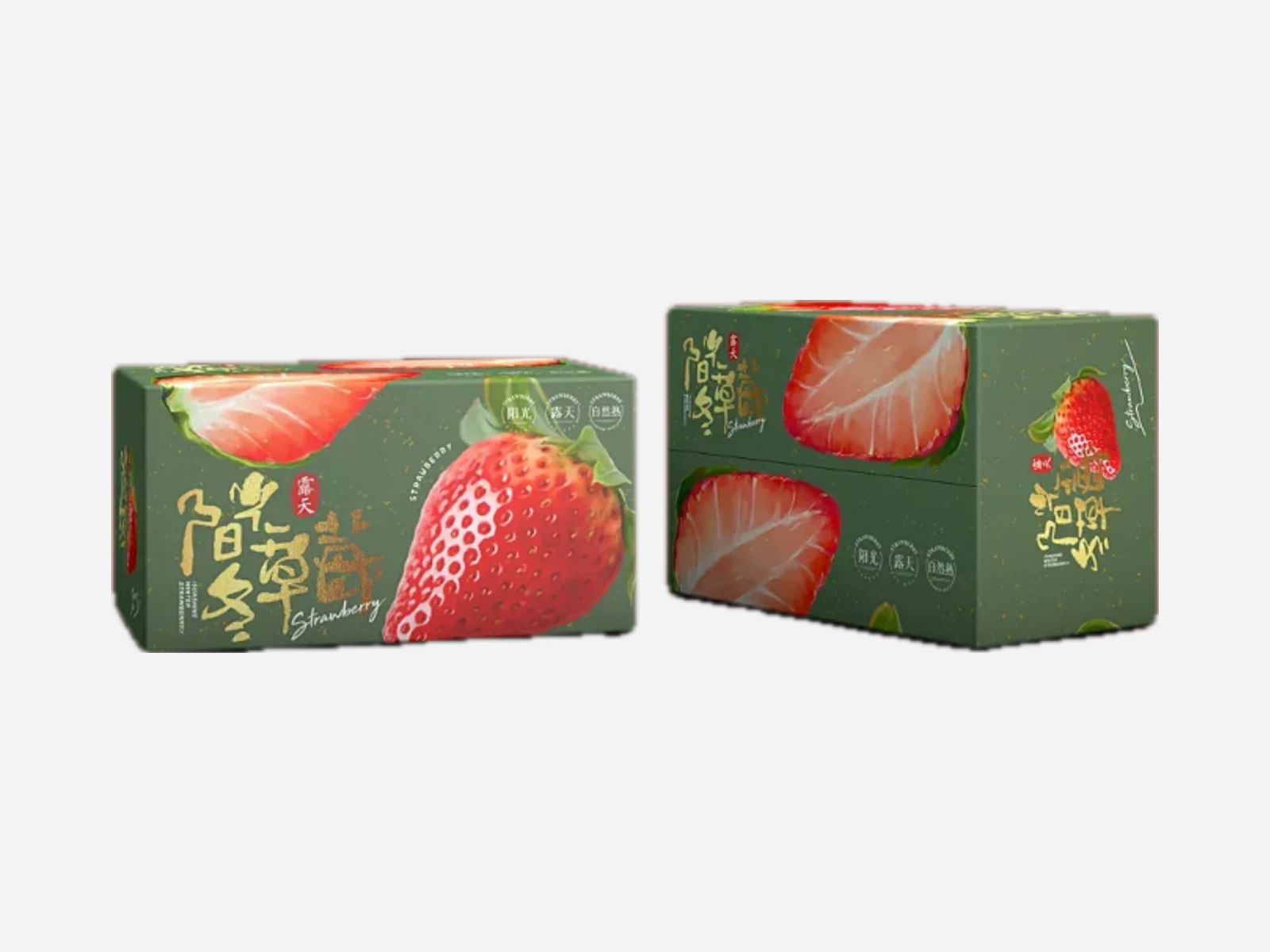
| Windowed confectionery box | Food may touch liner or window | Contact surfaces, window film, adhesive and storage | Documentation for every potential contact component |
Control inks, adhesives and unintended transfer routes
Printing is normally kept away from the intended direct-contact surface unless the full ink and application system is specifically supported for that use. Even when ink is on the outside, set-off, migration through material or contamination during manufacture and storage must be considered within good manufacturing practice.
Adhesives, window films, coatings and processing aids belong in the same review. The package converter needs the intended use and restrictions from upstream suppliers; the food business or importer then evaluates the complete pack with the filled product. Visual cleanliness alone is not evidence of chemical suitability.
- Printed and unprinted sides clearly identified
- Ink, coating, adhesive and film declarations
- Set-off prevention in stacked or nested packs
- Clean storage, handling and batch traceability
Build a market-specific compliance file
In the United States, food-contact substances are assessed according to their intended use and applicable FDA framework. In the European Union, food-contact materials are governed by general safety, good manufacturing practice and traceability requirements, with additional measures for certain materials. The exact evidence depends on the material and use.
Ask for declarations that name the material, intended conditions and applicable limitations rather than accepting an undated “food grade” statement. Keep specifications, supplier declarations, test reports where relevant, artwork approval, lot information and change records. Reassess when the food, supplier, coating, print, temperature or market changes.
- Destination market and responsible legal entity
- Applicable declaration and supporting evidence
- Lot, supplier and production traceability
- Change notification and periodic document review
Reference sources
Official sources for further verification
- US FDA: Packaging and food-contact substances
- US FDA: Food ingredient and packaging terms
- European Commission: Food-contact materials
Regulations, standards and distribution requirements change. Verify the current requirements for the product and destination market before production.