Build the brief around the packed fruit
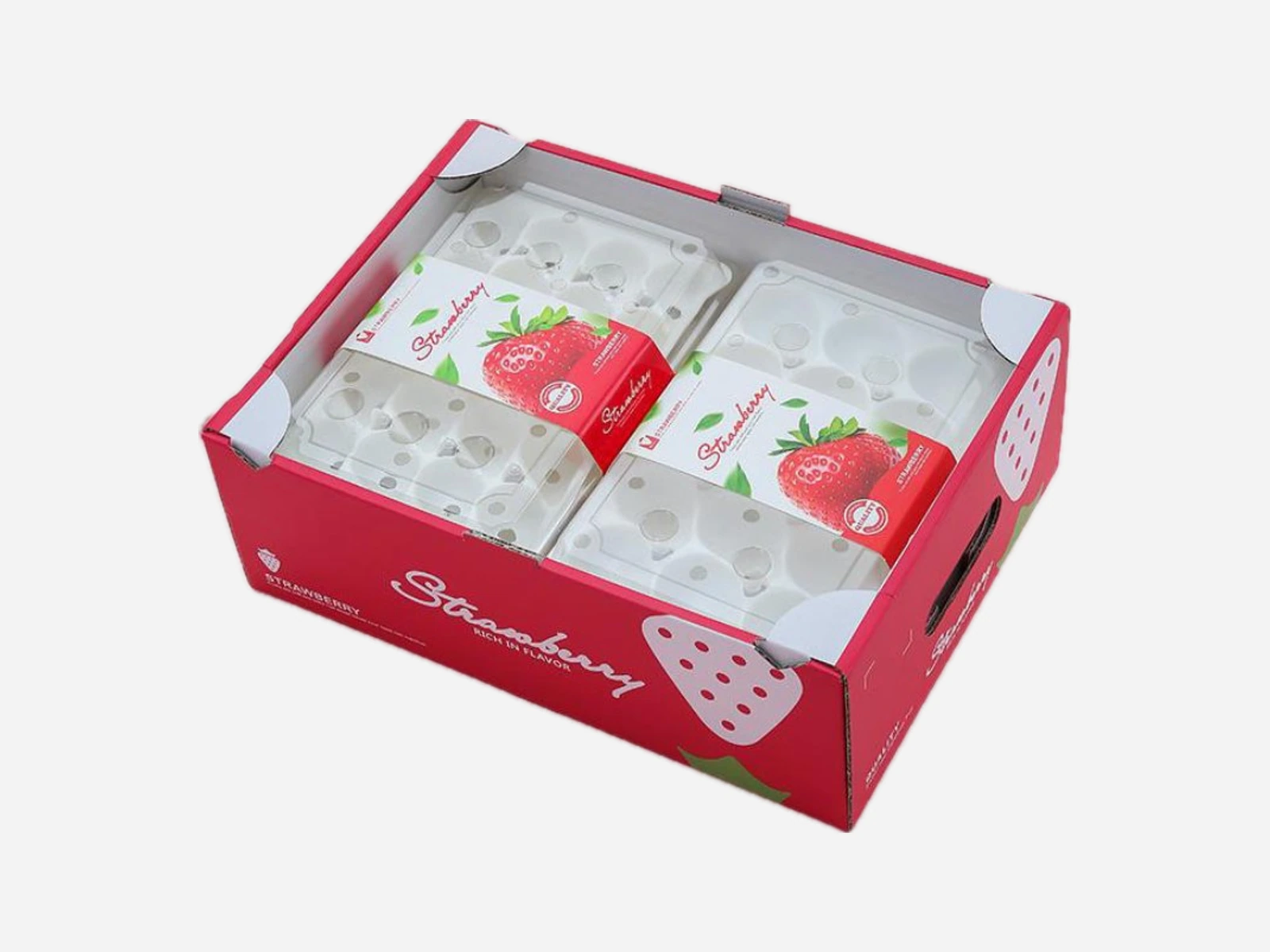
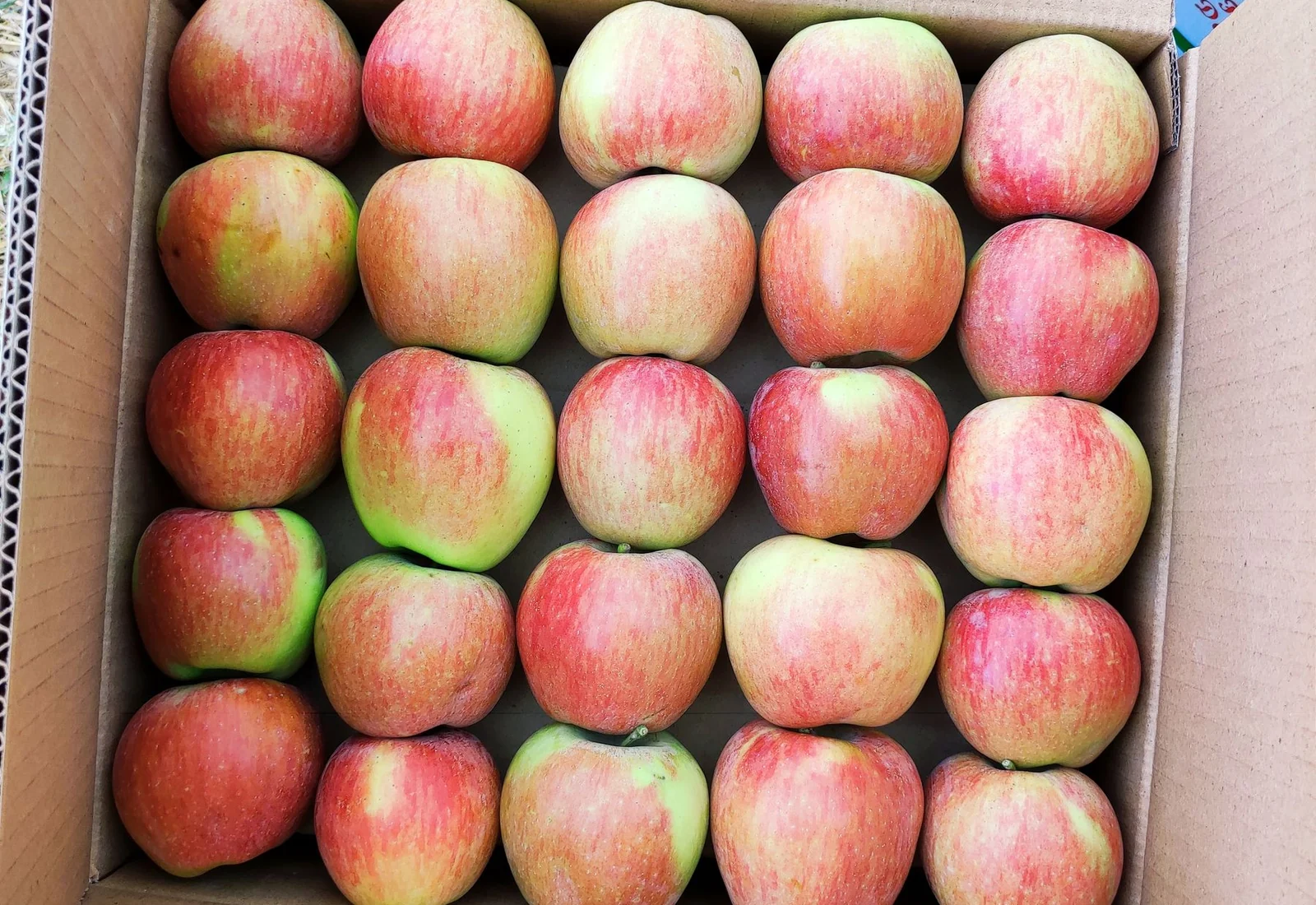
The first design input is the produce and route. A citrus carton moving by refrigerated container has different airflow, humidity and stacking demands from a small carry box used for local retail. Record fruit dimensions, count, packed weight, temperature range, trip duration and whether the box is hand-carried, palletised or parcel-shipped.
Share the inner bag, pad, tray or divider at the same time as the outer carton. These parts influence heat transfer, drainage, pressure points and the final internal dimensions. A dieline based only on an outside reference photo is not enough for structural approval.
- Fruit variety, size range and count
- Net weight, gross weight and pack orientation
- Cold-chain, pre-cooling and moisture exposure
- Pallet footprint, stacking height and handling method
Balance ventilation with board strength
Ventilation openings can support airflow and pre-cooling, but every opening removes load-bearing material. Their size, shape and location must be reviewed around corners, compression paths, hand holes, score lines and glue joints. There is no universal vent percentage that works for every fruit and route.
Paper loses strength as moisture rises. Board grade, flute, liners and any moisture-resistant surface treatment should be selected against the real distribution environment. A coating can help surface resistance, but it does not replace a packed-box compression and handling check.
- Keep vents away from high-stress corners
- Align openings when boxes are stacked
- Separate ventilation needs from decorative windows
- Test after realistic humidity conditioning where required
Fruit carton design inputs and approval evidence
Use the table as a project brief. Values must come from the actual product and route, not a generic box specification.
| Decision | Buyer input | Packaging response | Approval evidence |
|---|---|---|---|
| Packed load | Fruit count, size range, net and gross weight | Internal dimensions, board and closure direction | Fully packed structural sample |
| Airflow | Pre-cooling method, temperature and trip duration | Vent pattern and aligned openings | Cooling or route-specific trial |
| Moisture | Humidity, condensation and wet handling risk | Liner, coating and board-strength direction | Conditioned handling or compression check |
| Stacking | Pallet size, layers, pattern and storage time | Panel geometry and compression path | Full-pallet or representative stack review |
| Identification | Market, language, codes and traceability data | Protected print and label zones | Artwork proof plus barcode scan |
Design stacking, handles and pallet use together
Stacking performance depends on board construction, panel geometry, flute direction, die-cut accuracy and how the fruit carries load inside the box. Handles and large cut-outs should not interrupt the main vertical compression path without a tested reinforcement strategy.
Make a full pallet drawing before finalising the carton. Check overhang, column alignment, interlocking pattern, stretch wrap, corner protection and access for labels. A strong individual box can still fail when the pallet pattern places pressure on unsupported panels.
- Confirm pallet layout before tooling
- Check hand holes with the actual packed weight
- Measure box bulge after packing
- Inspect bottom locks, glue and closure under load
Reserve artwork space for export information
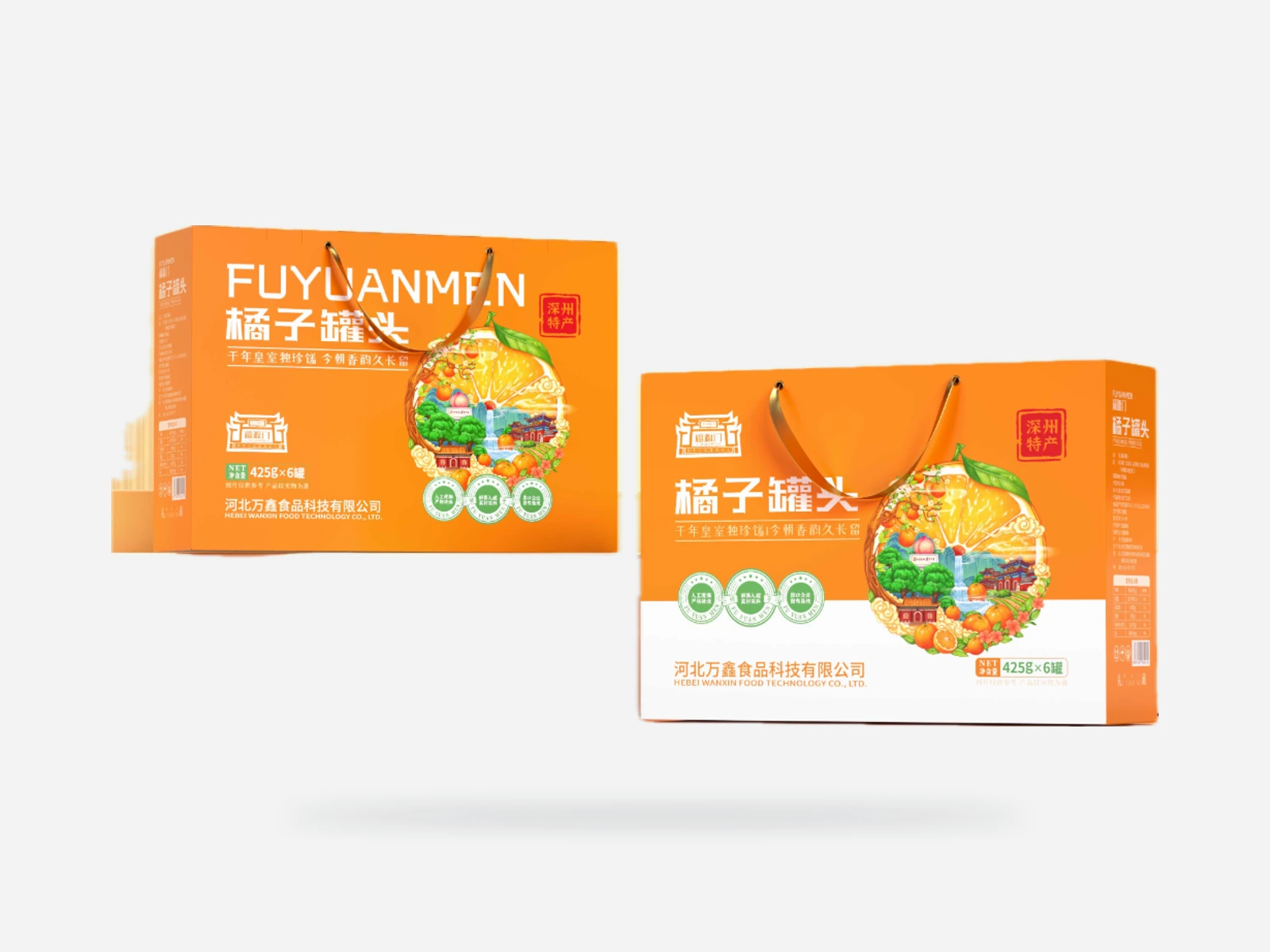
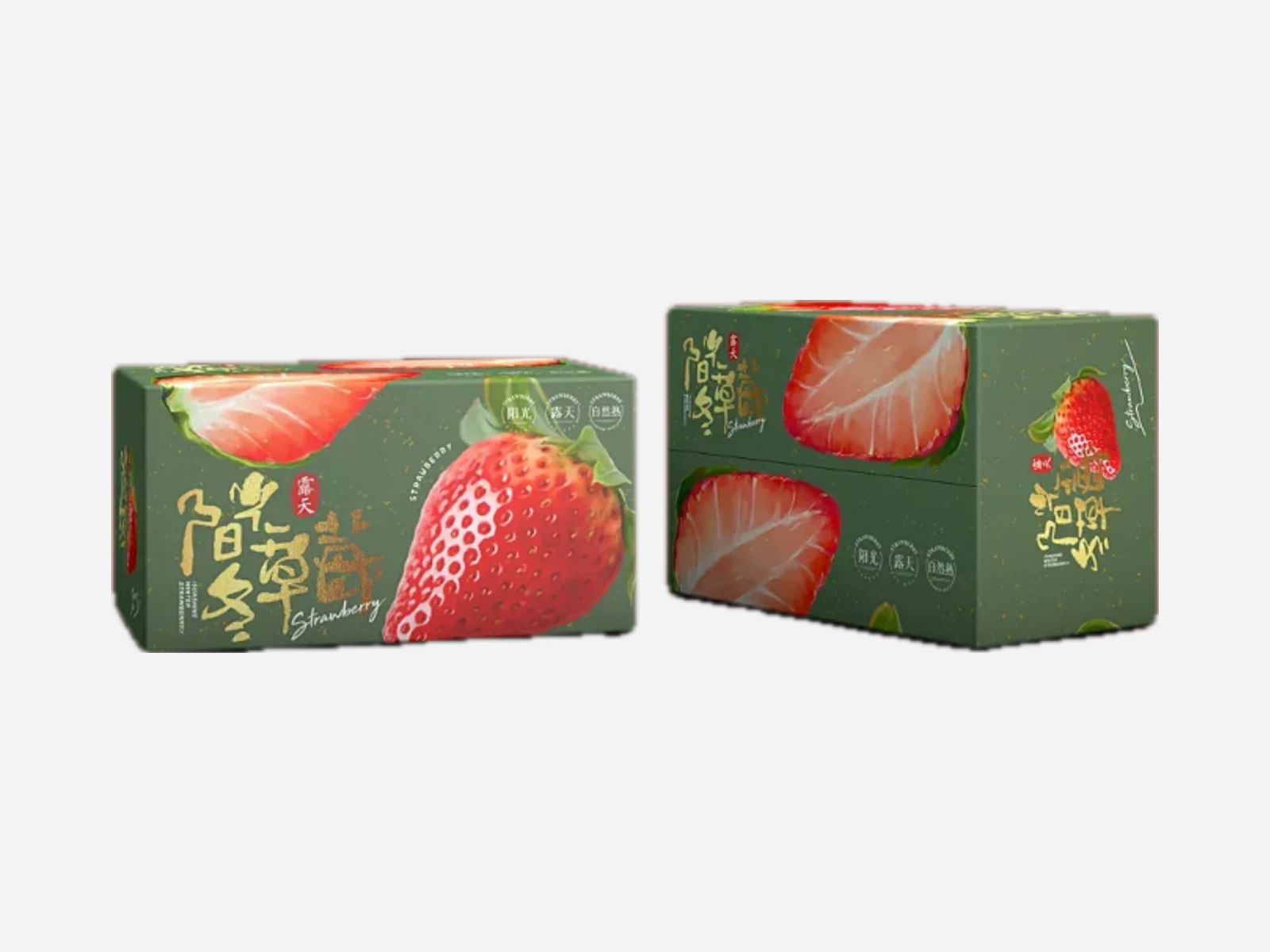
Fruit cartons need clear printable zones for brand, variety, grade, count or weight, origin, lot or traceability information and handling marks required by the order. Keep variable labels and barcodes on flat panels away from folds, vents, straps and likely abrasion.
The importer should confirm the exact language and regulatory content for the destination. Packaging development should leave enough space for later label changes without moving structural openings or rebuilding the die.
- Flat, high-contrast barcode area
- Origin and product identification zone
- Lot, date or traceability field
- Handling and storage marks where required
Reference sources
Official sources for further verification
Regulations, standards and distribution requirements change. Verify the current requirements for the product and destination market before production.